⏱ 1 min read
The Short Version
A 2001 Sauternes defies expectations, evolving from sweet to subtle with age, revealing complexity and tension between sugar and acidity. Climate change is reshaping its aging, making it more structured, saline, and unpredictable.
In This Article
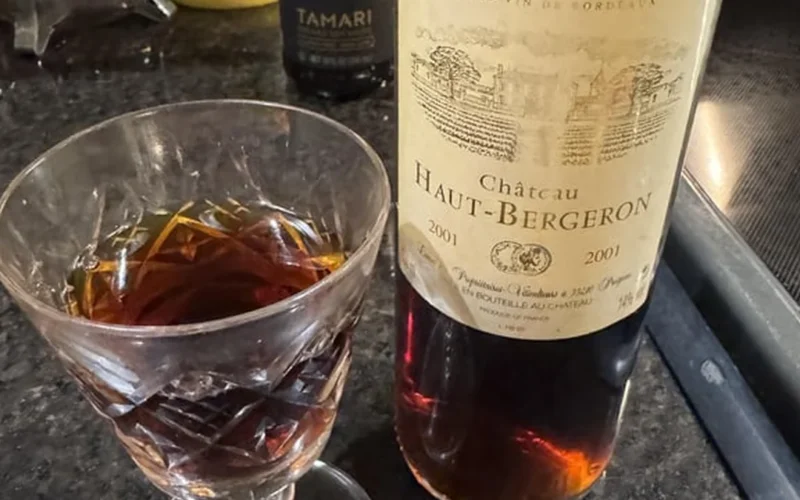
This Sauternes defied expectations—a 2001 vintage with a core of dried fig, toasted almonds, and a mineral edge that cut through its richness. It’s not merely sweet; it’s a study in tension, where acidity and sugar dance in a way that feels deliberate, not accidental. Newer vintages often prioritize fruit-forward charm, but this bottle carried the weight of time, its flavors deepened by years in the bottle.
Climate change and shifting vineyard practices are now reshaping the aging process, with warmer vintages pushing for earlier harvests and altering the balance of botrytis.
The Evolution of Sweetness
Aging transforms Sauternes from immediate delight into something layered, almost savory. The 2001 bottle revealed woody undertones and a mossy finish, textures that unfolded with each sip. It’s not about sugar anymore—it’s about how time coaxes out complexity. Younger wines flirt with fruit, but older ones whisper of earth and memory. Climate change and shifting vineyard practices are now reshaping the aging process, with warmer vintages pushing for earlier harvests and altering the balance of botrytis. The result is a Sauternes that’s evolving—more structured, more saline, more unpredictable.
Pairing with Purpose
Served with brie and gravlax, the wine’s richness balanced the saltiness of the fish. Foie gras is the classic match, but this pairing proved that creativity beats convention. The key is to let the wine’s depth anchor the dish, not overpower it. A great Sauternes isn’t just a dessert wine—it’s a companion.
Climate change and shifting vineyard practices are now reshaping the aging process, with warmer vintages pushing for earlier harvests and altering the balance of botrytis. What’s your go-to pairing for a sweet wine that’s more than dessert?
Questions & Answers
How does aging change Sauternes?
Aging transforms Sauternes from sweet to subtle, deepening its flavors with time. A 2001 vintage showed woody undertones and a mossy finish, shifting from fruit-forward to earthy and savory. The balance of acidity and sugar evolves, creating a layered, complex profile that reflects the passage of time.
What are good food pairings for aged Sauternes?
Aged Sauternes pairs well with rich, salty, or savory dishes. It complements brie and gravlax, balancing the fish’s saltiness. Foie gras is a classic match, but creative pairings like these show how Sauternes can be more than just a dessert wine. The key is letting the wine’s depth enhance the dish without overpowering it.
Why is climate change affecting Sauternes aging?
Climate change is altering Sauternes aging by pushing for earlier harvests in warmer vintages. This shifts the balance of botrytis, a key factor in the wine’s sweetness and structure. As a result, Sauternes is becoming more structured, saline, and unpredictable, reflecting broader changes in viticulture and climate.
How does Sauternes evolve with time?
Sauternes evolves from immediate sweetness to a layered, almost savory complexity. A 2001 example showed dried fig, almonds, and a mineral edge, with time coaxing out woody and mossy notes. The interplay of acidity and sugar becomes more deliberate, turning the wine into a study in tension and depth.
Originally reported by Reddit Wine.