⏱ 1 min read
The Short Version
Eléonore Latour warns that many fine wines don’t improve with age, risking vinegary notes, and urges a balanced approach to aging, focusing on wines with high tannin or acidity.
In This Article
The age-old adage, “aging like a fine wine” is often misleading. Many so-called fine wines don’t improve with time—some even decline. Eléonore Latour, chief brand officer at Maison Louis Latour, highlights a common mistake: aging wines without a clear purpose. “Without intention, you risk letting complex flavors fade into vinegary or wet-cardboard notes,” she warns.
“See people save great bottles for decades, when they may have been at their peak much earlier.”
The Case for Aging
Certain wines do benefit from time—those with high tannin, like Cabernet Sauvignon or Nebbi, and high-acidity whites, like Riesling. These wines develop slowly, revealing deeper layers that make the wait worthwhile. Sweet wines, such as port or Sauternes, also age well, as sugar acts as a natural preservative. However, not all wines are meant for the long haul. Simple, fruit-forward styles—Pinot Grigio, Sauvignon Blanc, Pinot Noir, or rosé—peak early. Latour suggests a balanced approach: pair wines ready to drink now with a few that have the potential to evolve. The goal isn’t to store bottles for decades, but to understand how they change over time.
Storing for the Long Haul
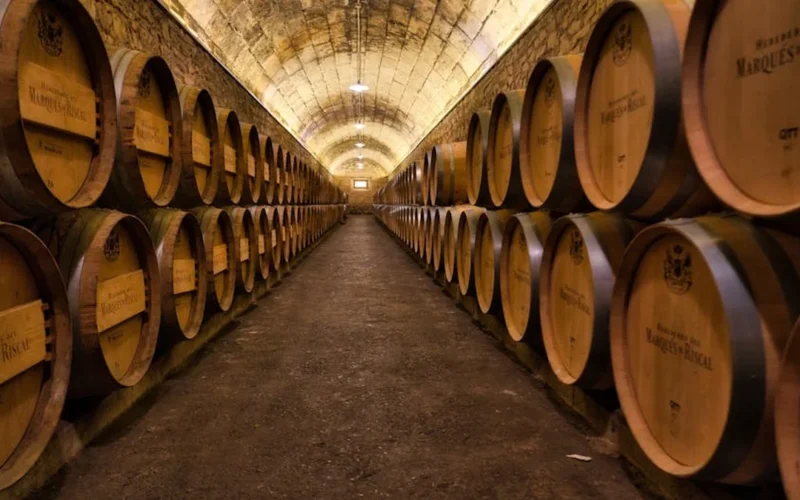
Aging requires more than patience—it demands the right conditions. A cool, dark, and stable environment is ideal: 12°C (54°F), 70% humidity, and minimal vibration. For most, consistency is key. Store bottles horizontally to keep corks moist, and organize your collection so no wine is forgotten. “A rare bottle shouldn’t languish in a box,” she says. “It’s a tragedy to let it pass its peak.”
“See people save great bottles for decades, when they may have been at their peak much earlier.”
Which wines in your collection are ready to evolve—and which should be enjoyed now?
Questions & Answers
How do I know which wines are ready to age?
Wines with high tannin, like Cabernet Sauvignon, or high acidity, like Riesling, are best for aging. Sweet wines such as port or Sauternes also benefit. These develop complexity over time, making the wait worthwhile.
What conditions are ideal for aging wine?
Ideal conditions for aging include a cool, dark, and stable environment at 12°C (54°F) with 70% humidity. Store bottles horizontally to keep corks moist and organize your collection to avoid forgotten bottles.
Why is it important to age wine with intention?
Aiming to age wine without purpose risks letting flavors fade into vinegary or wet-cardboard notes. Latour emphasizes that the goal is to understand how wines change over time, not just to store them for decades.
Can all wines improve with age?
No, not all wines improve with age. Simple, fruit-forward styles like Pinot Noir or rosé peak early. Aging requires careful selection and proper conditions to ensure the wine evolves rather than declines.
Originally reported by Tasting Table.