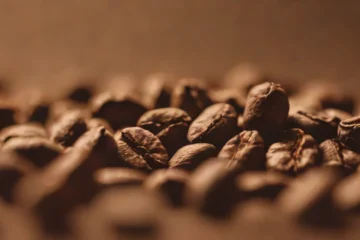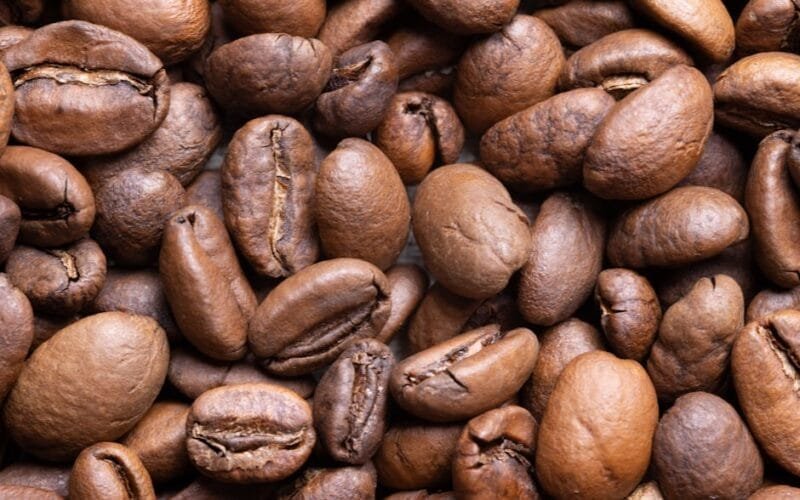
After decades of chasing the perfect dark roast, I finally cracked it—by roasting my own beans. The moment the oil starts to shimmer, that’s when the magic happens. Most people stop short, but I’ve learned that pushing past that point unlocks a flavor profile I’ve been craving for nearly 20 years: bold, smoky, and unapologetically intense. It’s not just about the beans—it’s about the roast.
Dark roasting isn’t just a style; it’s a science. The oil that appears on the bean’s surface is a sign the roast is nearing its peak. At this stage, the sugars in the bean caramelize, creating a layer of complexity that’s hard to replicate with pre-roasted beans. The bitterness isn’t an accident—it’s a deliberate balance of roast depth and bean origin. I’ve found that Brazilian Cerrado works wonders here, its earthy notes holding up to the heat without becoming overwhelming. But the real trick is knowing when to stop. Over-roasting can drown out the bean’s natural character, turning it into a bitter sludge.
The results? A cup that’s both daring and refined. My espresso, brewed with a sugar cube and a precise tamp, now has a velvety body that complements the roast’s intensity. Flat whites and lattes, once lacking in depth, now carry a richness that’s impossible to ignore. It’s a revelation for anyone who’s ever wondered if dark roast could be more than a trend.
Key points: Roasting to the edge of oil unlocks a bold, complex flavor profile; Brazilian Cerrado is a reliable base for this method; and the balance between roast depth and bean origin is critical.
What’s your go-to roast profile, and what’s next on your brewing adventure.
What’s your go-to roast profile, and what’s next on your brewing adventure?
Questions & Answers
What happens when oil appears on coffee beans during roasting?
Oil appears as beans near peak roast. It signals caramelization, adding complexity. This stage creates bold, smoky flavors sought by dark roast enthusiasts.
Which beans work best for dark roasting?
Brazilian Cerrado beans excel in dark roasts. They develop rich, intense flavors and balance bitterness, making them ideal for achieving a bold, smoky profile.
Information sourced from industry reports and news outlets.