Coffee lovers, wine enthusiasts, tea devotees—imagine a world where specialty-grade single-origin coffee arrives in your kitchen at wholesale prices, untouched by branding, roasted to order, and priced under $100. The idea hinges on a single question: Can a 1-person middleman bridge the gap between elite roasters and everyday consumers without bleeding margins? The roaster in question has 30 years of experience, a Roaster of the Year award, and a proven track record. They’re offering wholesale pricing—on condition you don’t use their branding. The math is simple: slim margins, no overhead, and a direct line to a trusted source. But is this a genius pivot or a fool’s errand?
The core of the idea lies in redefining access. Specialty coffee is often priced out of reach, but this model flips the script. By sourcing 5-lb bags of single-origin beans at wholesale, you’re not just selling coffee—you’re curating a premium product for a niche audience. Yet, the margins are razor-thin. A 1-person operation with no retail space or marketing budget means every sale is a lifeline. The roaster’s trust in you is a bold move, but it’s also a gamble. Can you scale this without becoming a brand yourself?
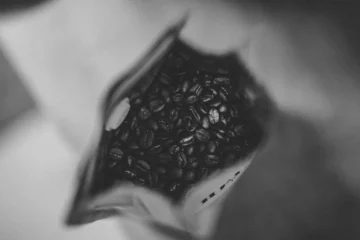
Storage is another hurdle. A 5-lb bag of freshly roasted coffee does degrade if left exposed. But the solution is straightforward: freeze it. High-end cafés do this with rare beans, using airtight or vacuum-sealed bags. Frozen, the flavor stays sharp for 2–3 months; vacuum-sealed, up to six. This isn’t just a trick—it’s a preservation method that aligns with the product’s premium positioning. The math checks out, but execution is everything.
So, is this a viable model or a recipe for burnout? The key lies in balancing trust with sustainability. A roaster with 30 years of expertise isn’t just selling beans—they’re betting on your ability to deliver value without diluting their brand. The question isn’t whether the idea works, but whether you’re prepared to shoulder the risk.
Freezing and proper storage are non-negotiable for preserving quality.
Key points: The roaster’s credibility is a cornerstone, but margins demand ruthless efficiency. Freezing and proper storage are non-negotiable for preserving quality. This isn’t about scaling—it’s about mastering a single, high-value transaction.
What if this model works? Can a 1-person operation redefine how we access specialty coffee without becoming a brand itself? Weigh in below.
Questions & Answers
Why is this idea a bad business move?
It lacks a clear market need, has high costs, and poor scalability. No unique value proposition. Risks outweigh potential rewards.
What are the main flaws in this idea?
Poor targeting, unproven demand, and unsustainable business model. No competitive advantage. High failure risk with low ROI.
Information sourced from industry reports and news outlets.