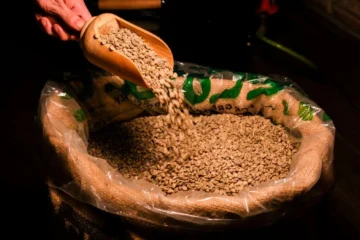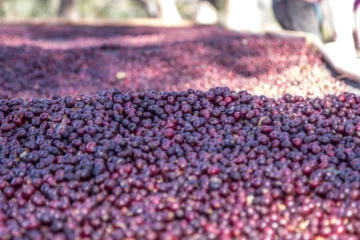
Here’s something to stir your curiosity: The coffee world is obsessed with fermentation, but is it overshadowing the age-old organic movement? A bag of Colombian beans now reads like a microbiology thesis, detailing yeast strains and anaerobic processes. I spent twenty minutes dissecting a bag labeled “co-fermented peach notes,” convinced my kitchen now smelled like a fruit orchard. Is this the next frontier of specialty coffee, or are we chasing novelty at the expense of what truly matters?
Fermentation’s rise reflects a broader shift in coffee culture toward process-driven storytelling. Roasters are turning to anaerobic methods, where beans are sealed in airtight environments to coax out unique flavors. These techniques, once niche, now dominate conversations at specialty cafes. Yet, this obsession with fermentation feels like a distraction from the foundational importance of organic practices. Organic certification isn’t just a label—it’s a promise of sustainable farming, soil health, and reduced chemical use. When we prioritize the alchemy of yeast over the ethics of cultivation, are we missing the bigger picture?
The industry’s fixation on fermentation may also be creating a disconnect between the bean’s origins and its environmental impact. Organic farming reduces reliance on synthetic fertilizers, which is critical for long-term soil fertility. Meanwhile, fermentation’s hype often centers on flavor profiles rather than the broader ecological benefits of sustainable agriculture. This shift risks turning coffee into a playground for experimental processes, sidelining the very practices that ensure its future viability.
Fermentation’s rise reflects a broader shift in coffee culture toward process-driven storytelling. Roasters are turning to anaerobic methods, where beans are sealed in airtight environments to coax out unique flavors. These techniques, once niche, now dominate conversations at specialty cafes. Yet, this obsession with fermentation feels like a distraction from the foundational importance of organic practices. Organic certification isn’t just a label—it’s a promise of sustainable farming, soil health, and reduced chemical use. When we prioritize the alchemy of yeast over the ethics of cultivation, are we missing the bigger picture?
What’s your take on the fermentation vs.
So, are we sipping on innovation or losing touch with the roots of what makes coffee special? What’s your take on the fermentation vs. organic debate? Share your thoughts below.
Questions & Answers
Is fermentation better than organic?
Fermentation focuses on preservation and flavor, while organic refers to farming practices. Both have benefits, but they address different aspects of food production.
What’s the difference between fermented and organic foods?
Fermented foods use microbial processes to preserve and enhance flavor. Organic foods are made without synthetic pesticides or fertilizers. They’re distinct in production methods and benefits.
Information sourced from industry reports and news outlets.