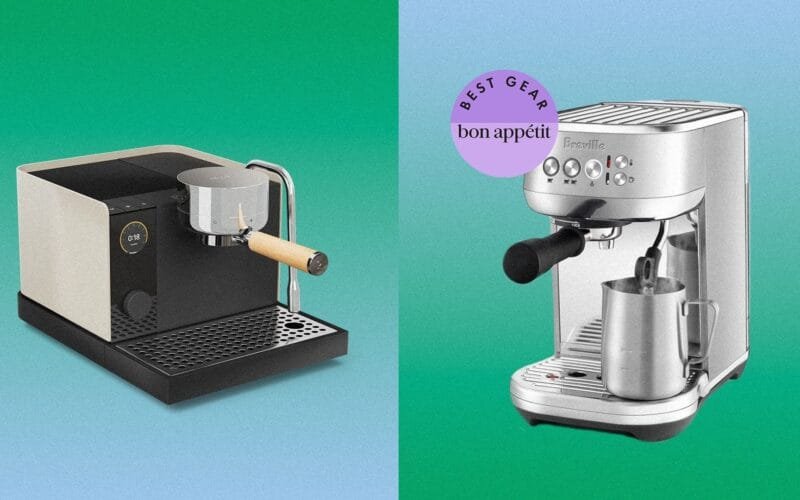
Selecting the perfect espresso machine involves balancing performance, ease of use, and your brewing preferences. Whether you’re a seasoned barista or a curious beginner, understanding the differences between manual, semiautomatic, and super-automatic machines can help you find the right fit. Manual lever machines like the Flair Pro 2 demand hands-on skill, offering a rewarding experience for those who enjoy the ritual of crafting espresso. Semiautomatic options, such as the Breville Barista Express or De’Longhi La Specialista Arte, combine precision with some automation, letting you control the grind, tamp, and extraction while benefiting from built-in features like PID temperature control. Super-automatic machines, like the Philips Barista Brew or Jura E8, handle everything from grinding to steaming, making them ideal for busy households or those seeking simplicity.
Key factors to prioritize include pressure and temperature regulation. High-quality machines maintain consistent 9–15 bar pressure and precise water temperatures, ensuring rich, well-extracted shots. A durable 58-mm portafilter is essential for professional-grade results, while a powerful steam wand is critical for creating silky milk textures. However, not all machines excel in this area—some, like the Gevi 20 Bar model, struggle with milk frothing despite promising specs. Budget-conscious buyers should consider mid-range options like the Cuisinart EM-320 or Casabrews Neutron Pro, which deliver decent espresso and decent milk textures at a fraction of the cost of premium models.
For those who prioritize control, semiautomatic machines like the Rancilio Silvia or Rocket Appartamento offer unparalleled customization, though they require practice to master. Conversely, super-automatic machines like the Miele CM5310 Silence provide convenience without sacrificing quality, thanks to their quiet operation and streamlined workflows. Regardless of your choice, investing in a quality grinder—such as the Fellow Opus or Baratza Encore ESP—is vital, as espresso relies on a fine, even grind.
Ultimately, the best espresso machine for you depends on your goals: precision and control, convenience, or budget-friendly performance. By evaluating features like pressure regulation, steam wand effectiveness, and ease of use, you can navigate the crowded market and find the brewer that suits your lifestyle. Whether you’re chasing café-quality shots or simply enjoying a quick cup, the right machine can transform your home coffee experience.
Questions & Answers
What’s the best espresso machine for beginners?
The De’Longhi Magnifica is ideal for beginners. It’s user-friendly, has automatic milk frothing, and delivers consistent shots. Great for learning without a steep learning curve.
Do I need a grinder for an espresso machine?
Yes, a grinder is essential. It ensures fresh, evenly ground beans for optimal extraction. Pre-ground coffee can lead to inconsistent shots and wasted beans. Invest in a quality burr grinder.
Information sourced from industry reports and news outlets.