The verdict is in: green tea isn’t a one-size-fits-all miracle. What you’re grabbing at the Asian market is likely a tangled mess of processing methods, regional traditions, and marketing jargon. If you’re sipping something that tastes like grass clippings or bitter herbal tea, you’re not alone. The problem isn’t your palate—it’s the chaos of categorization.
Green tea, as you’ve learned, isn’t a monolith. It’s a spectrum. Japanese sencha, Chinese dragonwell, and Korean jungcha are all green teas, but their processing—steaming, pan-frying, rolling—creates wildly different flavors. What you’re calling “green tea” in the market could be anything from a minimally processed leaf to a heavily oxidized version that’s more like a black tea. The key is understanding the difference between “green” as a category and “green tea” as a specific type. White tea, by contrast, is a separate category entirely, made from unoxidized leaves and often lighter in both flavor and caffeine.
Your preference for white tea isn’t a fluke—it’s a sign you’re chasing subtlety. White teas like silver needle or white peony are delicate, floral, and low in caffeine, making them ideal for a morning ritual. But when you’re hunting for a daily breakfast green tea, you’re essentially looking for a hybrid: something that’s not too bitter, not too grassy, and not loaded with caffeine. That’s why the Asian market’s generic “green tea” often falls short. It’s not the tea’s fault—it’s the lack of specificity.
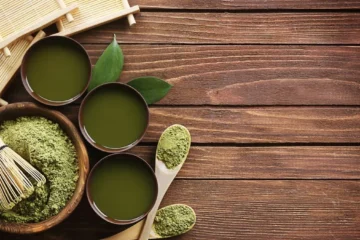
Here’s the fix: stop treating “green tea” as a brand. Instead, ask for specific varieties. For a mellow, caffeine-friendly option, look for matcha (powdered green tea) or gyokuro (a high-grade Japanese green). If you’re set on a leafy brew, go for a high-end sencha or a Chinese green like Longjing. And if you’re still stuck, consider white tea as your daily staple—it’s the unsung hero of the tea world.
Share your favorite in the comments.
What’s your go-to tea for a calm morning start? Share your favorite in the comments.
Questions & Answers
What tea is good for anxiety?
Chamomile and peppermint teas are calming. They reduce stress and promote relaxation. Choose organic for best results.
How do I choose the right tea for me?
Consider your taste, health goals, and mood. Try different types to find what suits you best. Start with small batches.
Information sourced from industry reports and news outlets.