Here’s something to stir your curiosity: When Chalone Winery shuttered its Pinnacles operations, it wasn’t just a vineyard closing—it was a seismic shift in a landscape already grappling with a bear market. For years, Chalone’s reputation for pristine Chardonnay and mineral-driven Pinot Noir made it a standout in Monterey County. Now, its production is being relocated, and its former winemaker, Greg Freeman, is left to reckon with the weight of a decision that feels less like a business move and more like a reckoning.
Freeman’s tenure at Chalone was defined by a rare blend of artistry and autonomy. Since joining in 2021, he transformed the brand into a regional powerhouse, crafting wines that balanced precision with soul. His Chardonnays, in particular, showcased the vineyard’s decomposed granite soils, delivering a texture that felt almost tactile. Yet, despite his success, the winery’s closure underscores a broader industry reality: even the most storied properties are vulnerable to corporate realignments. Freeman’s departure—along with his entire production team—wasn’t just a loss for Chalone; it’s a reminder that the wine world is as fickle as the weather.
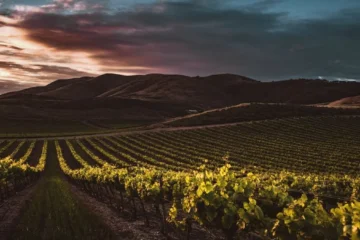
What makes Chalone unique isn’t just its wines but its terroir. At 1,800 feet, the 900-acre site thrives on minimal drip irrigation, its 225 acres of grapes (Chardonnay, Pinot Noir, Chenin Blanc) yielding less than a ton per acre. Freeman’s approach—cool ferments, no oak, and a focus on site expression—was a rebellion against the industry’s tendency to mask flaws. Yet, even his most minimalist Chenin Blanc faced hurdles in the wholesale market, a reality he attributes to corporate priorities over passion.
The closure also highlights the fragility of independent winemaking. While Foley Family Wines will continue producing Chalone’s wines elsewhere, the loss of Freeman’s hands-on influence is a blow to the brand’s identity. For him, it’s the end of an era. “It was the pinnacle of my career,” he says, “because I had control.” Now, he’s left to navigate a new chapter—playing guitar with Ruby Slippers, chasing gigs, and hoping his legacy lives on in the bottles that remain on shelves.
Key points: Chalone’s closure reflects industry shifts, Freeman’s winemaking philosophy prioritized terroir over trends, and the vineyard’s unique conditions make its wines irreplaceable.
Key points: Chalone’s closure reflects industry shifts, Freeman’s winemaking philosophy prioritized terroir over trends, and the vineyard’s unique conditions make its wines irreplaceable.
What happens next for Chalone’s wines—and for winemakers like Freeman—when the land they call home becomes just another commodity?
Questions & Answers
Where is Chalone Shutters located?
Chalone Shutters is located in the Santa Cruz Mountains, near the town of Watsonville, California.
What type of wine does Chalone produce?
Chalone produces premium Chardonnay and Pinot Noir, known for their elegance and terroir-driven character.
Information sourced from industry reports and news outlets.