Let’s talk about zabaglione—the custardy marvel that’s been satisfying palates since the 15th century. It’s not a fancy technique or a complicated recipe; it’s a simple alchemy of egg yolks, sugar, and booze, whipped into a silky, boozy cloud. While it’s lesser known than its Italian counterparts like panna cotta or tiramisu, zabaglione’s charm lies in its effortless elegance. It’s the kind of dessert that feels like a secret shared between generations, perfect for impressing guests without breaking a sweat.
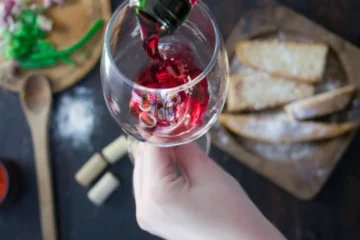
The method is deceptively straightforward. Start with a bain-marie—a pot of simmering water and a heatproof bowl. Whisk egg yolks, sugar, and a pinch of salt until the mixture thickens to a cloudlike consistency. Then, pour in your chosen spirit. Marsala is the classic, but sparkling white wine—like prosecco or cava—adds effervescence and a frothy finish. The key is to whisk relentlessly over the heat, until the mixture turns butter yellow and nearly doubles in volume. It’s a dance of heat and motion, and the result is a dessert that’s both indulgent and refined.
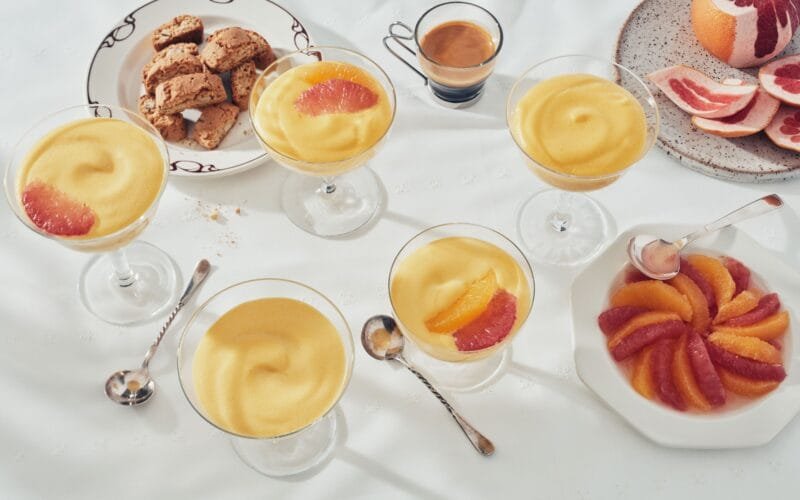
The magic happens when you finish with a splash of lemon juice. It cuts through the sweetness, balancing the boozy richness with a bright, clean note. Zabaglione is also a canvas for creativity: serve it in coupe glasses with crumbly cookies or sliced fruit for texture. The dessert’s versatility is its greatest strength—it’s a blank page for your imagination, whether you’re pairing it with a glass of wine or enjoying it solo.
Zabaglione thrives on simplicity, but its soul is in the details. The choice of spirit, the precision of the bain-marie, and the final touch of lemon all elevate it from a basic recipe to a memorable experience. It’s a reminder that sometimes, the most impressive results come from minimal effort.
Share your favorite twist in the comments.
What’s your go-to wine for a zabaglione? Share your favorite twist in the comments.
Questions & Answers
How do you make pizzelle?
Pizzelle is made with flour, sugar, eggs, and butter. Roll dough into thin layers, place between parchment, and iron to create crisp, shell-like cookies.
What’s the origin of pizzelle?
Pizzelle originated in Italy, likely in the 16th century. It was traditionally made by hand using a cast-iron iron, often during holidays and celebrations.
Information sourced from industry reports and news outlets.