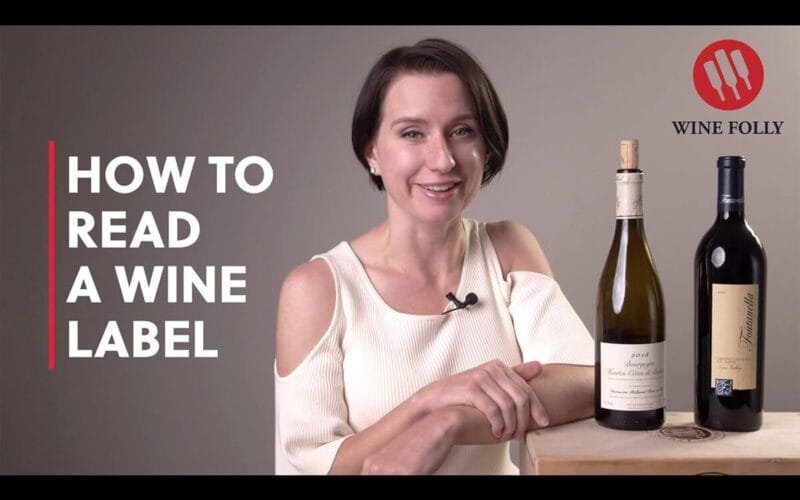
Real talk: Wine labels are more than just a brand name. They’re a code, a map, and sometimes a red herring. Beyond the winery, region, and vintage, there’s a whole world of detail waiting to be decoded. Most labels fall into one of three categories, each revealing a different story about the wine inside. The first is the varietal label—think Cabernet Sauvignon, Chardonnay, or Syrah. These are straightforward, but not always reliable. While nearly all wine comes from Vitis vinifera grapes, there are thousands of cultivars. For beginners, focus on the 100 most common varietals, which account for 70% of global plantings. A quick dive into noble grapes like Bordeaux or Chianti will unlock a lot of the mystery.
Then there’s the regional label—like Champagne, Chablis, or Tuscany. These are governed by strict rules. For example, Chablis in France can only use Chardonnay, and Chianti in Italy must be Sangiovese. But not all regions are so rigid. Some, like Bolgheri in Tuscany, allow for creative blends. Take Sassacaia by Tenuta San Guido: it’s a Bordeaux-style mix of Cabernet Sauvignon and Cabernet Franc, despite being “declassified” to Toscana IGT. The region’s rules require indigenous grapes, but the winemaker’s vision turned it into a cult classic.
Finally, there are proprietary blends—wines with made-up names like “Sassacaia” or “Crimson Reserve.” These are often marketing gimmicks, but not always. A great example is Sassacaia, which defied expectations to become one of Tuscany’s most expensive wines. However, many “named” wines are just cheap table wines with clever packaging. If you’re serious, always check the technical sheets. They’ll tell you the truth about the grapes, aging, and even the producer’s notes.
Key points: Know that regional labels are rules, not guarantees. Proprietary blends can be exceptional or misleading. Technical sheets reveal the truth behind the label.
Share your story—we’re all in this decoding game together.
Close: Have you ever bought a wine labeled “Reserve” only to find it’s just a budget blend? Share your story—we’re all in this decoding game together.
Questions & Answers
What does the alcohol content on a wine label mean?
Alcohol content shows the percentage of alcohol by volume. It affects taste, body, and pairing. Higher levels often mean fuller-bodied wines.
How do I read a wine label’s region designation?
Region designations indicate where the grapes were grown. They reflect wine style and quality. Common regions include Bordeaux, Napa Valley, and Barolo.
Information sourced from industry reports and news outlets.