Here’s what you need to know: Espresso machines are no longer just about brewing coffee—they’re redefining precision, control, and workflow. From AI-driven personalization to modular designs that cater to both pros and home users, innovation is accelerating. Trade shows like SIGEP World reveal how these shifts are reshaping the industry, blending technology with tradition in ways that demand attention.
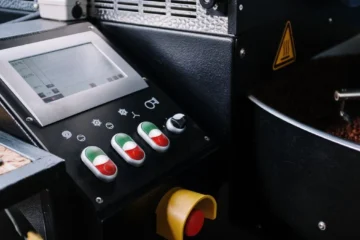
Automation and AI aren’t replacing baristas—they’re enhancing their craft. Modern machines now feature programmable pre-infusion, adjustable pressure profiles, and smart connectivity, letting users tweak extraction variables for optimal flavor. Temperature stability has also become a priority, with PID controllers and advanced heating elements ensuring consistent results. These upgrades aren’t just technical wins; they’re about giving baristas the tools to experiment, refine, and deliver café-quality shots from home.
Modular design is another game-changer. Standalone units now specialize in specific tasks—extracting espresso, foaming milk—allowing cafes to tailor setups to their needs. Ergonomic touches like 360-degree steam wands and adjustable drip trays reduce strain during long shifts, while smart features like auto-cleaning cycles streamline maintenance. The result? Machines that adapt to users, not the other way around.
The market’s convergence is closing the gap between professional and home equipment. Brands like De’Longhi and Breville acquiring high-end manufacturers signal a strategic push to bring café-grade tech to consumers. This shift has made dual-boiler systems and precision temperature control more accessible, but it’s also sparked debate about innovation versus consolidation. Yet, shared IP and collaborative R&D suggest a future where bigger brands empower smaller ones, fostering growth across both markets.
Modular designs let users customize workflows without sacrificing quality.
KEY POINTS: Precision and control are now standard, not luxury. Modular designs let users customize workflows without sacrificing quality. Market consolidation is driving accessibility but also raising questions about innovation’s direction.
What’s next for espresso machines? Will automation redefine the role of the barista, or will it elevate their expertise? Share your thoughts below.
Questions & Answers
Are smart espresso machines worth the investment?
Smart machines offer app control and brewing data, but cost more. They suit tech-savvy users seeking precision, but may be overkill for casual drinkers.
What’s the best espresso machine for home use?
The best home machine balances ease, quality, and price. Top picks include the De’Longhi Magic Mill and Breville Barista Pro, known for reliability and great coffee.
Information sourced from industry reports and news outlets.