This might just change your routine: The coffee world is fighting over a single word. For years, “geisha” was shorthand for a rare, floral Panamanian coffee, while “gesha” referred to the broader, less prestigious category. But now, the cognoscente are cracking down on the misuse of “geisha,” demanding it be reserved for the specific variety. Is this a victory for precision, or a battle over exclusivity? The answer hinges on how we navigate the evolving language of coffee.
The confusion began when “geisha” became a marketing tool, stripped of its origins. The true geisha, a mutation of the arabica plant discovered in Panama’s雾霭山脉, is celebrated for its ethereal aroma and delicate acidity. Yet, the term was diluted, applied to countless beans that didn’t meet its genetic or sensory criteria. Now, industry leaders are pushing to reclaim “geisha” as a protected designation, akin to how Champagne or Parmigiano-Reggiano are regulated. This isn’t just semantics—it’s about honoring the crop’s unique qualities and the farmers who cultivate it.
The shift reflects a broader cultural reckoning in coffee. Consumers are no longer content with vague labels; they want transparency. When a café touts “geisha” without context, it risks eroding trust. The movement to clarify terminology is part of a larger trend: coffee’s ascent from commodity to artisanal craft. This requires growers, roasters, and retailers to align on definitions, ensuring quality isn’t diluted by buzzwords.
But here’s the catch: The fight over “geisha” isn’t just about accuracy. It’s about power. By controlling the narrative, stakeholders can dictate value, pricing, and access. For farmers, this means higher premiums for authentic geisha beans. For drinkers, it means a more informed palate. Yet, the line between protection and gatekeeping is thin. The real test will be whether this movement elevates the category—or traps it in a rigid hierarchy.
The shift reflects broader trends in coffee’s cultural evolution.
Key points: Geisha is now a protected term, while gesha is a generic descriptor. The shift reflects broader trends in coffee’s cultural evolution. Consumers hold power in shaping this narrative.
What if the future of coffee depends on how we name it? Share your take on the geisha-gesha debate below.
Questions & Answers
What’s the difference in etiquette between geisha and gesha?
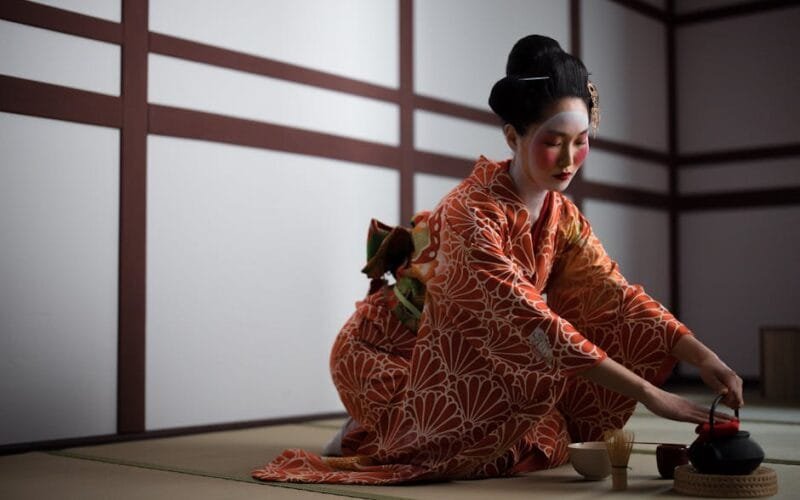
Geisha follow strict traditional etiquette in Japan, while “gesha” is a misspelling. Proper etiquette includes bowing, silence, and respectful behavior during tea ceremonies and performances.
Is gesha a real term?
No, “gesha” is a misspelling of “geisha.” It’s not a recognized term and often appears in incorrect searches. Always use “geisha” for accurate information on Japanese cultural etiquette.
Information sourced from industry reports and news outlets.