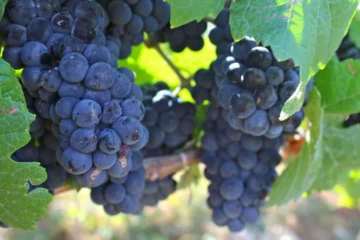
Get ready to sip on this: orange wine isn’t a gimmick—it’s a centuries-old tradition reborn. When you crack open a bottle of Austrian orange wine, you’re not just tasting fruit; you’re holding a piece of Georgia’s 6000-year-old winemaking legacy. This isn’t your average white wine. It’s fermented with white grapes left in contact with their skins, a process that imbues it with amber hues, tannic grip, and a flavor profile that defies categorization. Think of it as a bridge between red and white, where citrus brightness meets earthy complexity.
The secret? Qvevri—those ancient clay vessels buried underground in Georgia, where grapes are stomped, fermented, and aged without oxygen. Austrian winemakers have embraced this method, tweaking it to suit their terroir. The result? A wine that’s both primal and refined. Take the Welschriesling (aka Graševina) from Austria: it smells like a sun-drenched orchard, with apricot, clementine, and a whisper of vanilla. On the palate, it’s a creamsicle meets green tea—sweet but dry, with a toasty finish that lingers like a well-aged cigar.
What makes orange wine special isn’t just its quirks. It’s the way it challenges your palate. The tannins, usually absent in white wine, add structure without heaviness. The tartness echoes sour beer’s punch, while the nutty undertones suggest a slow-burn complexity. It’s a wine that demands attention, not just consumption. Pair it with shellfish or nutty cheeses, and you’ll unlock layers of flavor that feel both unexpected and inevitable.
Orange wine is more than a trend—it’s a conversation with the past. When you drink it, you’re part of a lineage that stretches back to the first amphorae. So what’s your first thought when you hear “orange wine”? Is it curiosity, skepticism, or something else? Share your take below.
Its roots trace to Georgia’s 6000-year-old qvevri method, now reimagined in Austria.
KEY POINTS: Orange wine is a bridge between red and white, blending tannic structure with citrus brightness. Its roots trace to Georgia’s 6000-year-old qvevri method, now reimagined in Austria. The flavor profile—think creamsicle, green tea, and toasty nuts—defies easy categorization.
CLOSE: What’s your first thought when you hear “orange wine”? Is it curiosity, skepticism, or something else? Share your take below.
Questions & Answers
How is Austrian orange wine made?
Austrian orange wine is made by leaving white grapes on the skins longer, allowing them to ferment slowly. This process imparts orange fruit flavors and a honeyed character.
What food pairs well with orange wine?
Orange wine pairs well with spicy dishes, roasted vegetables, and fatty fish. Its acidity cuts through richness, while its fruitiness complements bold flavors.
Information sourced from industry reports and news outlets.