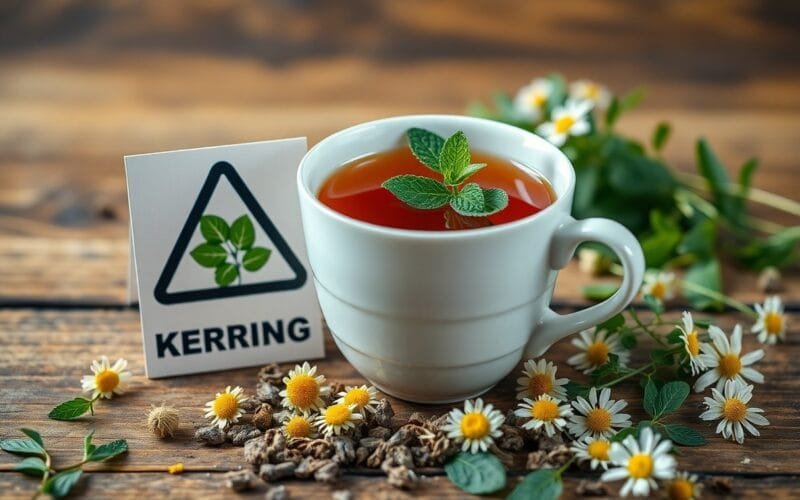
Peppermint tea, often celebrated for its refreshing flavor and digestive benefits, may not be suitable for everyone. If you have specific health conditions such as gastroesophageal reflux disease (GERD), heartburn, or certain allergies, drinking peppermint tea could exacerbate your symptoms. Additionally, if you are pregnant or nursing, caution is advised due to potential effects on your health and that of your baby. Understanding these potential risks can help you make informed decisions about including peppermint tea in your diet.
Overview of Peppermint Tea
Peppermint tea is an aromatic infusion made from the leaves of the peppermint plant, known scientifically as Mentha piperita. This herbal tea is widely appreciated not only for its refreshing taste but also for its potential health benefits. Typically consumed hot or cold, it serves as a popular choice for those seeking a natural remedy for various ailments. In your exploration of herbal teas, peppermint stands out for its distinctive flavor profile and versatility in various culinary applications.
Health Benefits
The health benefits of peppermint tea are numerous, particularly in aiding digestion and alleviating symptoms of nausea and headaches. This tea contains menthol, a natural compound that can relieve gastrointestinal discomfort and promote overall digestive health. Additionally, studies indicate that peppermint may help reduce stress levels and improve mental clarity, making it a soothing choice for both body and mind. You may find it particularly beneficial after meals for enhancing digestion.
Common Uses
Peppermint tea is commonly used as a digestive aid, stress reliever, and a remedy for headaches. Many individuals turn to it after heavy meals to soothe bloating or indigestion. It’s also popular among those seeking to relax, with its cooling effect and inviting aroma serving to calm the mind. Furthermore, peppermint tea can be enjoyed alone or blended with other herbs like chamomile for added benefits, offering versatility to suit your personal preferences.
Peppermint tea’s common uses extend into various culinary and wellness realms. You can enjoy it as a refreshing beverage, iced during warmer months, or infused with honey and lemon to enhance its flavor. Some even incorporate peppermint tea into their skincare routines, utilizing the natural properties to soothe irritated skin. By adapting it into your daily regimen, you unlock its potential not just as a drink but as a versatile companion in holistic wellness.
Who Should Avoid Peppermint Tea?
Peppermint tea can offer numerous benefits, but certain individuals should proceed with caution or skip it altogether. Pregnant women, those with GERD, and individuals allergic to mint are among those who might experience adverse effects from peppermint tea. For more information on the health implications of tea, check out Good News on Tea: Few Contaminants, Lots of Health ….
Pregnant and Nursing Women
Individuals with Gastroesophageal Reflux Disease (GERD)
Those with Allergies to Mint
Potential Side Effects
While peppermint tea is generally safe for most, you should be aware of potential side effects that could arise, especially if you have specific health conditions or sensitivities. Understanding these risks can help you make an informed decision about incorporating this herbal beverage into your routine.
Digestive Issues
Some individuals may experience digestive issues after consuming peppermint tea. If you have gastroesophageal reflux disease (GERD) or heartburn, peppermint can relax the sphincter muscle, potentially worsening these symptoms. Staying aware of how your body reacts to the tea can mitigate discomfort during your tea-drinking experience.
Allergic Reactions
Allergic reactions to peppermint are rare but can occur. Symptoms may manifest as itching, rash, or gastrointestinal distress. If you are prone to allergies, be vigilant when trying peppermint tea for the first time to ensure it doesn’t trigger an adverse response.
In rare cases, individuals with known allergies to the mint family may experience more severe reactions, such as difficulty breathing or swelling. If you have previously reacted to peppermint oil or other mint products, it’s wise to avoid peppermint tea altogether. Always consult with your healthcare provider before trying new herbal teas if you have a history of allergies.
Interactions with Medications
When considering peppermint tea, be aware of its potential interactions with certain medications. While generally mild, these interactions can affect the efficacy of treatments, particularly in gastrointestinal health and blood sugar management. It’s vital to consult with your healthcare provider about your specific medications before incorporating peppermint tea into your routine.
Antacids and Other Digestive Aids
If you’re using antacids or other digestive aids, peppermint tea might not be the best choice. The menthol in peppermint can relax the lower esophageal sphincter, potentially worsening acid reflux symptoms instead of alleviating them. This can lead to increased discomfort and should be taken into account when managing digestive health.
Medications for Diabetes and Blood Pressure
For those who take medications for diabetes and blood pressure, peppermint tea deserves a second thought. It may influence how your body absorbs and responds to these medications, potentially altering their effectiveness and leading to unintended side effects.
Specifically, peppermint can lower blood sugar levels, which is critical for people taking diabetes medications like insulin or metformin. If you’re combining peppermint tea with these drugs, you’re at risk of hypoglycemia, which can manifest as dizziness, confusion, and even fainting. A close monitoring of blood sugar levels and consultation with your healthcare provider is advisable to find a safe balance.
Alternative Herbal Teas to Consider
If you’re looking for alternatives to peppermint tea, several herbal options provide similar calming effects without the risks. These teas can support digestion, reduce stress, and promote relaxation, making them excellent substitutes. Chamomile and ginger tea are popular choices, each with unique benefits worth exploring.
Chamomile Tea
Chamomile tea is renowned for its soothing properties, making it an ideal choice if you seek relaxation. This herbal tea is often used to promote sleep, reduce anxiety, and alleviate digestive issues. Rich in antioxidants, chamomile also supports immune health, offering multiple benefits beyond mere relaxation.
Ginger Tea
Ginger tea, with its warm and spicy flavor, serves as a fantastic alternative to peppermint. It’s particularly effective in relieving nausea and aiding digestion, thanks to its anti-inflammatory properties. Many people turn to ginger tea for its ability to boost the immune system and combat inflammation.
In addition to its digestive benefits, ginger tea contains compounds like gingerol, which can help reduce muscle pain and soreness. Drinking a cup of ginger tea may also enhance circulation and provide relief from colds and respiratory ailments, making it a versatile herbal option for any tea lover. Plus, you can easily blend ginger with honey or lemon for added flavor and benefits, tailoring it to your taste preferences.
Recommendations for Safe Consumption
To enjoy peppermint tea safely, moderate consumption is key. Aim for one to two cups daily, as excessive intake can lead to digestive discomfort or adverse reactions. For detailed guidance on peppermint’s effects, you may refer to Peppermint – Uses, Side Effects, and More.
Moderation
Keeping your peppermint tea intake moderate can help minimize potential side effects. Sticking to one to two cups per day allows you to reap its benefits without overloading your system. Individual tolerances vary, so listen to your body when determining the right amount for you.
Consulting Health Professionals
Before incorporating peppermint tea into your routine, especially if you have underlying health conditions, consider consulting a healthcare professional. They can provide personalized advice based on your medical history and any medications you are taking.
Your healthcare provider can help assess any risks associated with peppermint tea, particularly if you’re pregnant, nursing, or dealing with conditions like GERD. They can guide you on safe dosage and potential interactions with prescribed medications, ensuring that your experience with peppermint tea is both enjoyable and safe.
Summing up
To wrap up, you should be cautious with peppermint tea if you have gastroesophageal reflux disease (GERD), specific allergies, or certain medications that interact adversely with menthol. Additionally, if you’re pregnant or nursing, it’s best to consult your healthcare provider before incorporating peppermint tea into your diet. By assessing your individual health circumstances and understanding the potential risks, you can make informed choices about whether or not to enjoy peppermint tea safely.
FAQ
Q: Who should avoid peppermint tea if they have gastroesophageal reflux disease (GERD)?
A: Individuals with GERD should consider skipping peppermint tea as it can relax the lower esophageal sphincter, potentially worsening symptoms such as heartburn and acid reflux.
Q: Are there specific medications that interact negatively with peppermint tea?
A: Yes, peppermint tea may interact with certain medications, particularly those for acid reflux, anticoagulants, and antacids. Consulting a healthcare professional before consumption is advisable for those on these medications.
Q: Is peppermint tea safe for pregnant or breastfeeding women?
A: Pregnant or breastfeeding women should exercise caution with peppermint tea, as it can affect uterine contractions. It is crucial to consult a healthcare provider for personalized advice.