⏱ 1 min read
The Short Version
From 40% gradients to 98-year-old vines, Famille Morin masters Beaujolais’ most punishing terrains through granitic precision and agroforestry. Whether it’s the floral tension of Chiroubles or the saline intensity of Gamaret, their work defines a modern, linear standard for the region.
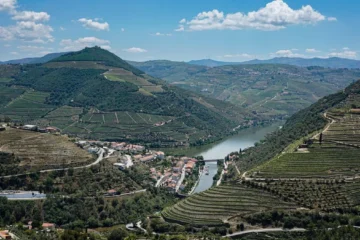
Théo Morin manages steep, hilly slopes of up to 40% gradient that demand intensive manual labor. Based in the Chiroubles cru, the domaine benefits from higher altitudes and predominantly granitic soils, a stark contrast to other regions within Beaujolais. To manage these difficult terrains while maintaining organic farming standards, the family employs agroforestry techniques to preserve the land. Their winemaking process for most reds centers on a ten-day carbonic maceration followed by pressing and finishing fermentations in the juice phase at low temperatures to ensure finesse.
Juicy and lively with nice tension and some structure.
Expression through terroir and vine age
The lineup presented via UK importer Woodwinters highlights how specific soil compositions dictate character. The Morgon Terrain Rouge 2024, grown on red schist, delivers bright raspberry fruit with significant weight and purity. In contrast, the Chiroubles 2024 utilizes a blend of different plots to produce a floral profile defined by stony minerality and tension. For those seeking more density, the Chiroubles Vieilles Vignes 2023—sourced from 98-year-old vines—undergoes a longer 20-25 day maceration and spends 18 months in foudre to achieve its structured, vivid personality. Juicy and lively with nice tension and some structure.
Diversity in the Beaujolais portfolio
While Gamay is the mainstay, Famille Morin also explores variety and white wine complexity. The 2025 Beaujolais Villages Blanc is direct and textural, marked by citrus notes and fine-grained chalky minerality. Even their foray into the Gamaret grape—a Swiss crossing of Reichensteiner and Gamay created in 1970—shows technical mastery, resulting in an intense, powerful wine with a distinct saline twist. Whether it is the purity of the Beaujolais Villages Rouge or the intensity of the Gamaret, the domaine consistently prioritizes a clean, linear style that avoids the heavy extraction often found in lesser examples. This commitment to precision suggests that Théo Morin and his parents are defining a modern standard for the region.
Do you prefer your Beaujolais to emphasize the bright fruit of carbonic maceration or the structural depth of older vines?
Questions & Answers
How does Famille Morin manage steep vineyard slopes?
Famille Morin manages steep, hilly slopes with gradients of up to 40% through intensive manual labor. Théo Morin oversees these difficult terrains to maintain high organic farming standards across the domaine. To protect the land while working these inclines, the family utilizes agroforestry techniques. This approach helps preserve the soil and ecosystem in the Chiroubles cru, where the higher altitudes and predominantly granitic soils create a unique growing environment compared to other parts of the Beaujolais region.
What is the winemaking process for Famille Morin red wines?
The winemaking process for most red wines at the domaine focuses on a ten-day carbonic maceration. Following this initial stage, the grapes undergo pressing and finish their fermentations in the juice phase at low temperatures to ensure finesse. For more structured wines like the Chiroubles Vieilles Vignes, the process is extended to include a 20-25 day maceration. These wines then spend 18 months in foudre to develop a more vivid, structured, and intense personality.
How do different soil types affect the character of Famille Morin wines?
Different soil compositions dictate the specific flavor profiles and character of the wines produced by Famille Morin. For example, the Morgon Terrain Rouge is grown on red schist, which results in a wine featuring bright raspberry fruit with significant weight and purity. In contrast, the wines from the Chiroubles cru benefit from predominantly granitic soils. These specific geological factors help produce a floral profile defined by stony minerality and tension, highlighting the unique expression of each individual terroir.
What are the tasting notes for the Famille Morin Beaujolais Villages Blanc?
The 2025 Beaujolais Villages Blanc is characterized by a direct and textural profile. It features prominent citrus notes combined with a fine-grained, chalky minerality. This white wine demonstrates the domaine's ability to explore variety and complexity beyond their mainstay Gamay grape. By prioritizing a clean and linear style, the producers ensure the wine avoids heavy extraction, maintaining a sense of precision that reflects the modern standards being set for the Beaujolais region.
Originally reported by Wine Anorak.