⏱ 2 min read
The Short Version
Forget rushed transactions; the Ancient Tea Horse Road is defined by hours spent sipping endless samples and chatting with experts. In massive wholesale hubs, a modest budget unlocks staggering variety, from aged Pu'er cakes to rare white teas, all through a low-pressure ritual of connection.
In This Article
A two-week journey following the western Ancient Tea Horse Road—stretching from Chongqing through Chengdu, Kunming, Dali, Lijiang, and Pu’er—reveals that the heart of tea culture lies within its wholesale markets. These hubs, specifically in Chengdu, Kunming, and Pu’er, serve as more than mere points of transaction; they are spaces where the buying process is defined by leisurely expertise. Finding vendors often requires navigating recommendations on Rednote or simply approaching approachable sellers in person.
The whole process is very relaxed, sitting for an hour or two just tasting tea after tea, chatting and then picking teas for purchase.
The Ritual of the Market
Navigating these massive “Tea City” markets offers an immersion into a low-pressure commerce style that prioritizes connection over speed. Rather than rushed transactions, buyers can expect to spend hours sitting with knowledgeable sellers, tasting endless samples, and engaging in deep conversation before committing to a purchase. The whole process is very relaxed, sitting for an hour or two just tasting tea after tea, chatting and then picking teas for purchase. This atmosphere transforms shopping into a profound educational encounter.
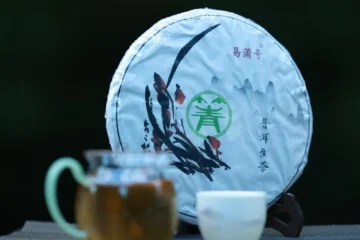
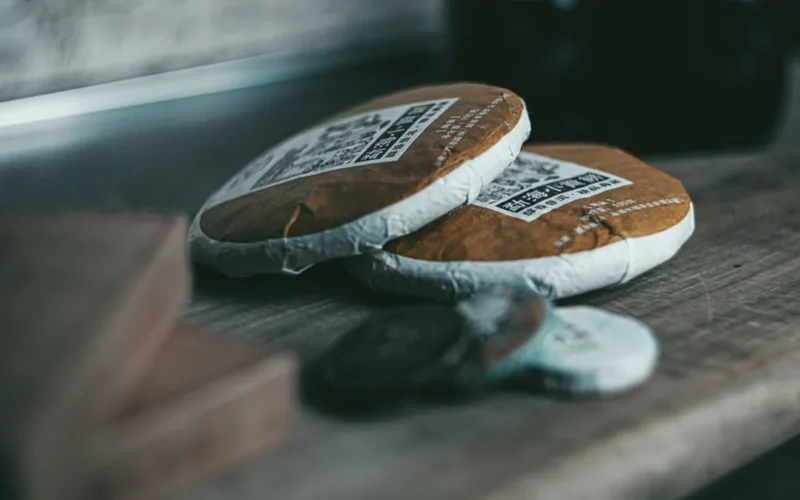
The variety available at these price points is staggering. A budget of approximately £200 yielded a diverse haul, including three cakes of aged white tea from Pu’er—two purchased and one gifted by a vendor who noted they were her first foreign customers—alongside an aged ancient tree white cake from Xishuangbanna. Other acquisitions ranged from 2008 aged white loose leaf and 2019 silver needle sourced from Fujian to specialized items like sticky rice aroma shou pu’er balls from Kunming and sheng pu’er balls from Dali intended for long-term aging.
Hands-on Heritage and Rare Finds
Beyond the wholesale stalls, the journey allows for direct participation in tea production. In Dali, it is possible to engage in the entire lifecycle of green tea by picking, roasting, and drying the leaves by hand. Such tactile experiences contrast with more formal historical finds, such as black tea produced specifically for a royal visit.
The diversity of the region is further encapsulated in regional specialties like Tibetan tea, a specific type of aged shou pu’er grown in Sichuan. Whether discovering individual mini cakes of aged white tea in Chengdu or exploring handmade varieties, the value lies in the intersection of unbeatable pricing and direct access to local wisdom.
When traveling through major tea regions, do you prefer hunting for rare single-origin samples or exploring large wholesale markets for variety?
Questions & Answers
What is the experience like when shopping at wholesale tea markets?
The experience at wholesale tea markets is defined by a relaxed, low-pressure atmosphere that prioritizes connection and expertise over speed. Instead of rushing through transactions, buyers typically spend hours sitting with knowledgeable sellers to engage in deep conversation and taste endless samples. This leisurely ritual transforms the simple act of shopping into a profound educational encounter. By sitting for an hour or two just tasting tea after tea, visitors can learn about the products before finally committing to a purchase.
How can travelers find reliable tea vendors in major wholesale hubs?
Travelers can find reliable tea vendors by following recommendations on social platforms like Rednote or by approaching approachable sellers in person. Once inside massive Tea City markets in locations like Chengdu, Kunming, or Pu'er, the process involves navigating these hubs through direct interaction. Because the markets are designed for connection, engaging with the sellers allows visitors to tap into local wisdom. This approach helps buyers navigate the staggering variety of available teas while ensuring they find quality products.
What types of tea can be found along the Ancient Tea Horse Road?
The region offers a massive variety of specialty teas including aged white tea, pu'er, and regional Tibetan tea. Travelers can discover diverse items such as aged ancient tree white cakes from Xishuangbanna, silver needle from Fujian, and specialized sticky rice aroma shou pu'er balls from Kunming. Other notable finds include sheng pu'er balls from Dali intended for long-term aging and even black tea produced for specific historical royal visits. This diversity reflects the rich intersection of different regional tea production methods.
How can visitors participate in the traditional tea production process?
Visitors can participate in the tea production process by engaging in hands-on activities like picking, roasting, and drying green tea leaves by hand. This tactile experience is particularly available in regions such as Dali, where the entire lifecycle of the tea can be observed and practiced. Such direct involvement provides a stark contrast to merely purchasing finished products in wholesale markets. It allows travelers to connect deeply with the heritage and manual craftsmanship required to create authentic regional tea varieties.
Originally reported by Reddit Tea.