⏱ 2 min read
The Short Version
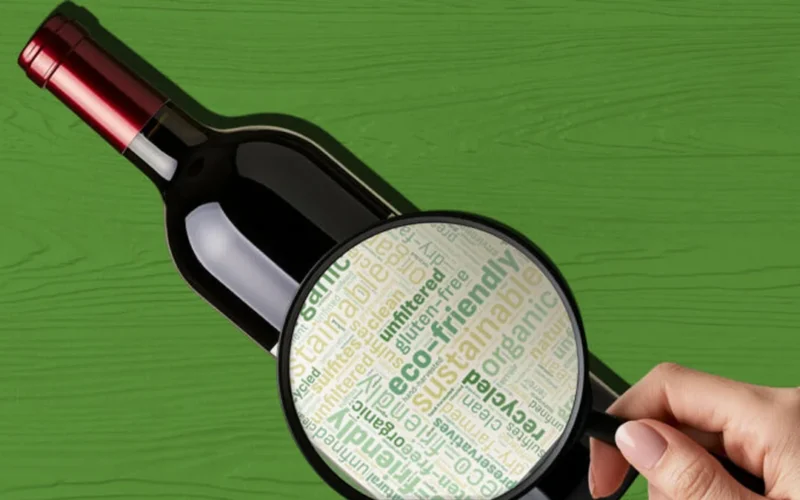
Vague buzzwords like "eco-friendly" and "natural" are officially dead on European wine labels. To avoid massive fines, producers must ditch generic marketing for rigorous, third-party certified data that proves every environmental claim.
Vague environmental marketing is facing a reckoning in Europe. Under Directive (EU) 2024/825—also known as Empowering Consumers for the Green Transition (EmpCo)—terms like “green,” “eco-friendly,” or “clean” are no longer permissible without rigorous substantiation. Peter Stanbury, research director of the Sustainable Wine Roundtable (SWR), notes that a significant knowledge gap persists among producers regarding these new restrictions.
Operators will mainly need to review their marketing, labeling, and environmental claims and ensure that these are clear, specific, and properly substantiated.
Moving beyond generic terminology
The directive does not demand a complete overhaul of vineyard management, but it does mandate a strict audit of consumer communication. Producers can no longer use sustainability badges unless they are backed by third-party certification, nor can they make irrelevant claims. Operators will mainly need to review their marketing, labeling, and environmental claims and ensure that these are clear, specific, and properly substantiated. This includes everything from physical bottle labels to tableside descriptions provided by sommeliers.
A central conflict has emerged over the term “natural.” Ignacio Sánchez Recarte, Ph.D., secretary general of the European Committee of Wine Companies (CEEV), argues the term is misleading and contrary to the EU legal framework. However, some producers remain defiant; Arnold Holzer of Eschenhof Holzer relies on organic certifications to validate his “Natural Orange” wine, while Spanish grower Lorenzo Valenzuela defends his “vinos naturales” as a description of pure juice fermented without heavy technology. To avoid regulatory friction, many producers may instead pivot toward verifiable data, such as “25 percent less carbon footprint since 2023,” or recognized schemes like Demeter.
Compliance risks and implementation
Navigating the rollout is complicated by how individual EU member states implement enforcement. While widespread violations could trigger fines of up to four percent of annual turnover, the practical application varies from regulatory oversight to civil action by environmental groups. A particular headache for compliance officers is old stock, which lacks grandfathered protection. Michael R. Littenberg of Ropes & Gray LLP notes that impacted companies are already resorting to using stickers to correct non-compliant labeling.
For small and medium-sized enterprises, the goal is to avoid “greenhushing”—the tendency to stay silent about genuine environmental efforts out of fear of litigation. As Emma Östansjö of Systembolaget suggests, transparency remains the best defense. If a producer has done the work, they must simply ensure their claims are quantifiable and clearly communicated through approved channels.
Do you think stricter labeling laws will help consumers make better choices, or will they simply add unnecessary bureaucracy for small winemakers?
Questions & Answers
What terms are banned under the new EU directive on sustainability claims?
Vague environmental terms such as green, eco-friendly, or clean are no longer permissible on wine labels without rigorous substantiation. Under Directive (EU) 2024/825, producers must avoid generic terminology that lacks specific evidence. Instead of using broad labels, companies are encouraged to provide verifiable data, such as stating a product has a twenty-five percent lower carbon footprint compared to previous years. This shift ensures that consumer communication is clear, specific, and backed by recognized certification schemes.
How can wine producers comply with new EU environmental labeling regulations?
Wine producers can achieve compliance by ensuring all environmental claims are specific, quantifiable, and backed by third-party certifications. Rather than relying on vague marketing, operators should use recognized schemes like Demeter or provide precise data regarding their environmental impact. Compliance extends beyond physical bottle labels to include tableside descriptions provided by sommeliers. For companies currently holding old stock with non-compliant labels, using stickers to correct the information is a common practical solution to avoid regulatory friction.
Why is the term natural considered controversial in the wine industry?
The term natural is controversial because its use often conflicts with the EU legal framework regarding substantiated environmental claims. While some growers defend the term as a description of pure juice fermented without heavy technology, others argue it is misleading to consumers. This debate has created regulatory tension between producers who rely on organic certifications to validate their claims and industry bodies that view the terminology as inconsistent with new transparency standards.
What are the potential penalties for violating EU green marketing directives?
Violations of the new sustainability directives can result in significant financial penalties of up to four percent of a company's annual turnover. Enforcement methods vary across different EU member states, ranging from direct regulatory oversight to civil actions initiated by environmental groups. To avoid these risks and the phenomenon of greenhushing, where producers stay silent about genuine efforts to avoid litigation, companies are encouraged to maintain transparency through approved and verifiable communication channels.
Originally reported by SevenFifty Daily.