⏱ 2 min read
The Short Version
By ditching raw bean exports for high-value branded roasts, Awo Coffee has surged its Chinese shipments by 40%. Leveraging China’s zero-tariff policy, this Addis Ababa roaster is transforming from a commodity supplier into a sophisticated player in the world’s second-largest consumer market.
Awo Coffee exports approximately 90 percent of its roasted products to China, a massive shift driven by strategic exposure at the China International Import Expo (CIIE). For this Addis Ababa-based specialty enterprise, the Shanghai-based event has transformed from a mere trade show into a vital commercial gateway. Since making their debut at the eighth edition of the expo, Awo Coffee has seen export volumes to China surge by at least 30 to 40 percent.
Since the Expo last year our export volume to China has increased at least by 30 to 40 percent.
From green beans to branded roasts
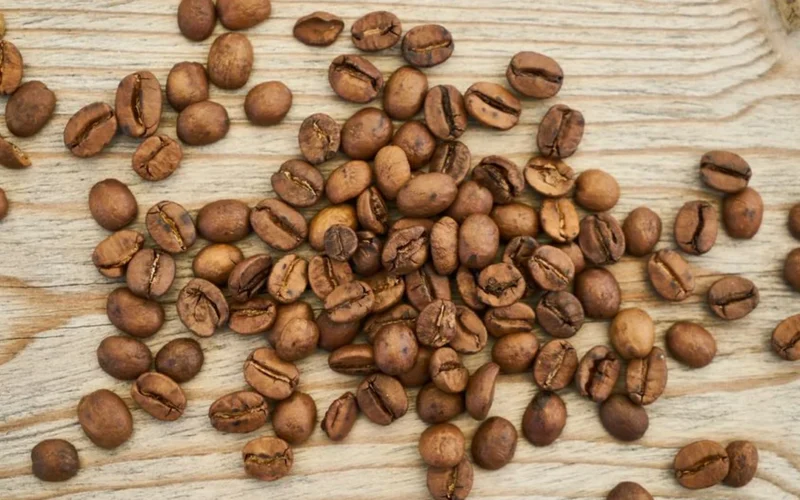
The expansion represents a fundamental move up the value chain. Rather than simply shipping raw agricultural commodities, Awo Coffee is now exporting high-value roasted and packaged goods tailored specifically to Chinese preferences. Roaster Berhanu Yimarew notes that the company focuses on medium and medium plus roasts to preserve the natural taste of the coffee, meeting a specific demand profile within the Chinese market.
Since the Expo last year our export volume to China has increased at least by 30 to 40 percent. This growth is supported by China’s zero-tariff policy for African products, which lowers the barrier to entry for small- and medium-sized enterprises (SMEs) across the continent. The CIIE provides these smaller producers with direct access to the world’s second-largest consumer market, a feat previously difficult to achieve without massive institutional backing.
Expanding the regional portfolio
Tesfaye Gebru, founder and CEO of Awo Coffee, intends to leverage this momentum by returning to the ninth edition of the CIIE with an expanded selection of specialties. The company plans to introduce more diverse profiles, including beans from the renowned Yirgachefe, Guji, Kaffa, Sidama, and Nekemte regions. By building brand recognition among Chinese importers, Awo Coffee is moving beyond transactional sales toward sustained, long-term demand.
The scale of the expo continues to grow, with the latest edition in Shanghai hosting over 4,100 overseas exhibitors from 148 countries. For African specialty coffee producers, the platform offers a rare opportunity to turn local expertise into global brand equity within one of the most significant beverage markets on earth.
Will the rise of processed, branded African exports change the traditional dominance of green bean trading?
Questions & Answers
How has the China International Import Expo helped Ethiopian coffee companies grow?
The China International Import Expo serves as a vital commercial gateway that provides direct access to the world's second-largest consumer market. For specialty enterprises like Awo Coffee, participating in the event has led to significant increases in export volumes. Since debuting at the eighth edition of the expo, Awo Coffee has seen its exports to China surge by at least 30 to 40 percent. This platform allows smaller producers to build brand recognition and move toward sustained, long-term demand.
What role does China's trade policy play in African coffee exports?
China's zero-tariff policy for African products significantly lowers the barriers to entry for small- and medium-sized enterprises across the continent. This policy makes it much easier for African producers to enter the Chinese market with their goods. By reducing costs, the policy supports the growth of companies like Awo Coffee, which now exports approximately 90 percent of its roasted products to China. This economic advantage helps African businesses compete more effectively on a global scale.
Why is Awo Coffee shifting from exporting green beans to roasted products?
Awo Coffee is shifting toward roasted products to move up the value chain by exporting high-value branded goods instead of raw commodities. This strategy allows the company to tailor its offerings specifically to Chinese consumer preferences. For example, the roaster focuses on medium and medium plus roasts to preserve the natural taste of the coffee. By providing packaged goods from renowned regions like Yirgachefe and Sidama, the company builds stronger brand equity within the Chinese market.
What types of Ethiopian coffee beans are being introduced to the Chinese market?
Ethiopian coffee producers are introducing a diverse range of specialty profiles from famous growing regions to meet Chinese demand. Awo Coffee plans to expand its selection at upcoming expos by featuring beans from the Yirgachefe, Guji, Kaffa, Sidama, and Nekemte regions. This expansion aims to move beyond simple transactional sales by offering a wide variety of flavor profiles. These specific regional beans help establish the brand as a provider of high-quality, diverse specialty coffee.
Originally reported by 巴士的報.