
⏱ 1 min read
The Short Version
Forget the heavy, sun-baked stereotypes of Alentejo. By leveraging high-altitude vineyards and ancient clay *talhas*, Susana Esteban crafts wines defined by cool-climate precision, saline minerality, and a sophisticated textural depth that defies regional expectations.
In This Article
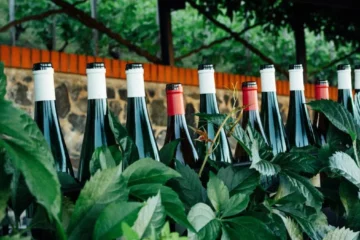
Susana Esteban produces wines that defy the heavy, sun-baked stereotypes often associated with Portugal’s Alentejo region. Sourced from the Serra de São Mamede in Portalegre, her vineyards sit at altitudes between 546 and 562 meters, providing a coolness that preserves acidity and nuance. These vines are over a century old, planted as traditional field blends that allow for a complex, integrated expression of terroir through ancient winemaking methods.
This is really beautiful and harmonious, with so many dimensions to it.
Ancient Vessels and Field Blends
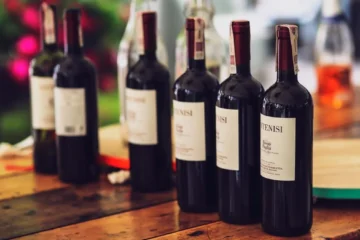
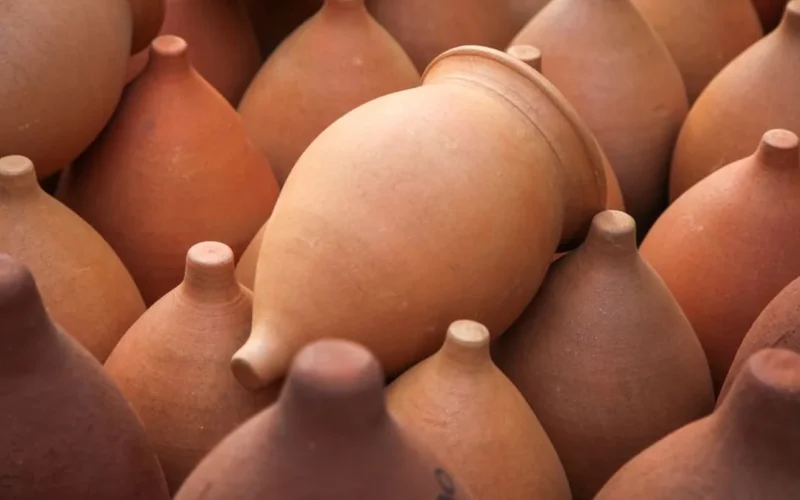
The soul of these wines lies in their production within talhas, clay vessels ranging from 300 to 2,000 liters. This method imparts a specific textural depth that modern steel cannot replicate. The Vila Maria Branco 2022 showcases this beautifully, offering aromatics of apple, peach, and pear layered with spicy aniseed and dried herbs. It presents a golden color and a saline twist, grounded by a grainy structure that feels both sophisticated and organic. Similarly, the 2023 vintage of the same label leans into bold, grapey richness while maintaining a delicious stony minerality characterized by notes of mint, chalk, and clay.
This is really beautiful and harmonious, with so many dimensions to it.
Restraint in Red Fruit
While the whites lean into texture, the red expressions prioritize elegance over extraction. The Vila Maria Tinto 2022 is a field blend that spent one year in talha, resulting in a wine defined by its restraint. Rather than overwhelming the palate, it offers fine-grained red cherry and berry fruits supported by dry, structured tannins. There’s a core of sweet fruit that is beautifully balanced by some grip and savoury detail. Even with its ripe profile, the wine maintains a distinct sense of place through subtle undertones of minerals and clay. For those seeking Alentejo wines that favor precision and structural integrity over sheer power, Esteban’s work provides a masterclass in high-altitude viticulture.
Do you find that clay vessel aging adds a necessary textural dimension to your favorite wines?
Questions & Answers
How does altitude affect the wines produced by Susana Esteban?
High altitude provides a natural coolness that helps preserve acidity and nuance in the grapes. By sourcing vineyards from the Serra de São Mamede in Portalegre at elevations between 546 and 562 meters, the wines defy the heavy, sun-baked stereotypes typically associated with the Alentejo region. This elevation allows for a more precise and structured viticulture that emphasizes elegance over sheer power, resulting in wines that maintain a distinct sense of place through mineral and stony characteristics.
What are the characteristics of wines aged in talhas?
Aging wine in talhas, which are traditional clay vessels ranging from 300 to 2,000 liters, imparts a specific textural depth that modern steel tanks cannot replicate. This ancient method contributes to a complex and integrated expression of the terroir. For example, the Vila Maria Branco 2022 utilizes this technique to showcase aromatics of apple, peach, and pear alongside a saline twist and a sophisticated, grainy structure that feels both organic and deeply dimensional.
What tasting notes can be found in the Vila Maria Tinto 2022?
The Vila Maria Tinto 2022 features fine-grained red cherry and berry fruits supported by dry, structured tannins. Because this red expression is a field blend that spent one year in clay talhas, it prioritizes elegance and restraint rather than heavy extraction. The palate is defined by a core of sweet fruit that is beautifully balanced by savory details and subtle undertones of minerals and clay, providing a sophisticated profile that emphasizes structural integrity.
Why are Susana Esteban's vineyards considered unique for the Alentejo region?
The vineyards are unique because they consist of century-old vines planted as traditional field blends at high altitudes. Most Alentejo wines are known for being heavy and sun-baked, but these vines benefit from the cool climate of the Serra de São Mamede. This combination of ancient vine age, high-altitude cooling, and traditional winemaking methods allows the producer to create wines characterized by precision, acidity, and a complex expression of the local terrain.
Originally reported by Wine Anorak.