
⏱ 1 min read
The Short Version
Forget seasonal gimmicks; Paola Chang uses matcha’s natural bitterness to masterfully cut through the richness of high-end French pastry. By pairing green tea with chocolate, she transforms a traditional beverage into a sophisticated, structural element of her signature confections.
In This Article
Paola Chang founded Lab Sucré by merging three distinct influences: her training in French pastry, her professional experience in France and Korea, and her own Asian heritage. This intersection allows the concept to pair rigorous Western technique with Eastern ingredients designed to appeal to Argentine palates. While many bakeries treat matcha as a seasonal novelty, for Chang, the vibrant green powder has been an integral part of the brand’s identity since its inception.
One of the first combinations was with chocolate, a much more familiar flavor for those who had yet to discover matcha.
From Tea to Confectionery
The evolution of the menu was driven by an experimental curiosity regarding how Japanese green tea behaves outside of a traditional cup. Chang sought to understand what would happen when these specific flavors and textures were integrated into complex pastry structures. To bridge the gap for customers unfamiliar with the profile of green tea, she initially paired it with chocolate—a more approachable flavor for the local market. One of the first combinations was with chocolate, a much more familiar flavor for those who had yet to discover matcha. This strategic pairing proved successful and established a foundation for the shop’s current repertoire.
The Vert Cake Experience
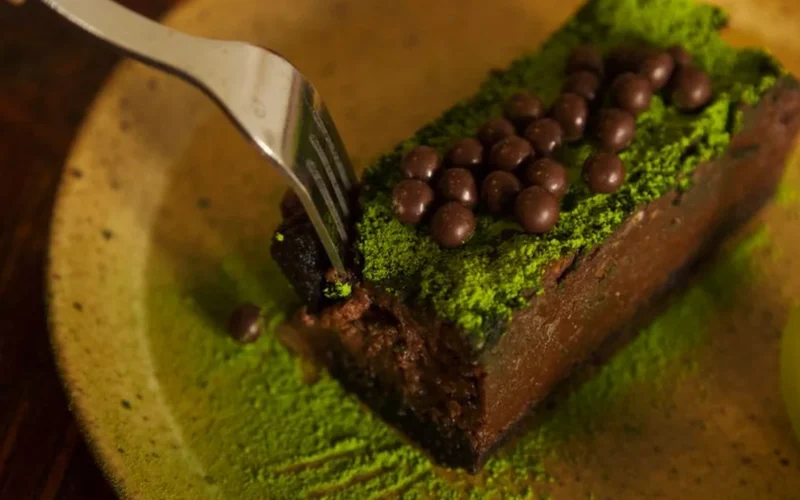
Today, matcha serves as a versatile component across several of the shop’s signature creations rather than a singular gimmick. For diners looking to test their affinity for the ingredient, the Vert cake offers a structured introduction to the flavor profile. The dessert is built on layers of matcha sponge cake and rich chocolate ganache, finished with a dual mousse composed of white chocolate and matcha.
By utilizing the bitterness of the tea to cut through the fat of the cocoa, Lab Sucré demonstrates how specialty ingredients can be used to balance high-end French confectionery. It is a deliberate move away from simple sweetness toward a more nuanced, sophisticated palate. Whether served as a standalone treat or part of a larger tasting, the integration remains rooted in Chang’s original mission to blend disparate culinary worlds.
Do you prefer your matcha in its pure ceremonial form or integrated into desserts?
Questions & Answers
What inspired Paola Chang to create Lab Sucré?
Paola Chang founded Lab Sucré to merge her professional training in French pastry with her Asian heritage and international experience in France and Korea. This unique intersection allows her to combine rigorous Western confectionery techniques with Eastern ingredients. By blending these disparate culinary worlds, she creates sophisticated pastries designed to appeal specifically to Argentine palates through a fusion of diverse cultural influences.
How does Lab Sucré use matcha to balance flavors in its pastries?
Lab Sucré uses the natural bitterness of matcha to cut through the heavy fat content found in cocoa and chocolate. This strategic integration moves the dessert profile away from simple sweetness toward a more nuanced and sophisticated palate. For example, the Vert cake utilizes this balance by pairing matcha sponge cake with rich chocolate ganache and a dual mousse of white chocolate and matcha.
Why did Paola Chang initially pair matcha with chocolate?
Paola Chang paired matcha with chocolate to make the green tea flavor more approachable for customers unfamiliar with its specific profile. Since chocolate is a much more familiar and widely accepted flavor in the local market, it served as a strategic bridge for those discovering matcha for the first time. This combination proved successful and helped establish the foundation for the shop's current dessert repertoire.
What ingredients are included in the Vert cake?
The Vert cake is a structured dessert composed of layers of matcha sponge cake and rich chocolate ganache. The pastry is finished with a complex dual mousse made from both white chocolate and matcha. This specific combination of ingredients is designed to introduce diners to the matcha flavor profile while demonstrating how specialty tea can be integrated into high-end, complex French pastry structures.
Originally reported by Time Out Worldwide.