

⏱ 1 min read
The Short Version
The United Nations has officially recognized International Coffee Day, marking a massive diplomatic win for the global coffee sector despite being the only nation to vote against it: the United States. This elevation transforms a simple celebration into a high-stakes mandate for sustainable livelihoods and poverty eradication.
In This Article
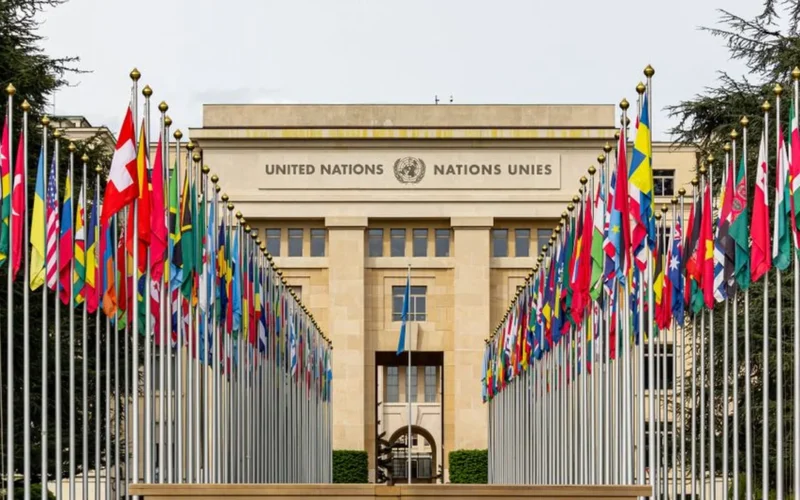
Since 2015, the International Coffee Organization (ICO) has observed October 1 as International Coffee Day to celebrate the diversity and passion within the global coffee sector. What began as an industry initiative has now ascended to the highest level of global diplomacy. In February, the United Nations passed a resolution officially recognizing the date, marking a significant shift in how the world acknowledges the commodity’s impact.
Recognizing the value of the coffee sector will raise awareness about its socio-economic importance and strengthen its contribution to eradicating poverty.
Diplomatic friction and economic weight
The path to UN recognition was not without political outliers. As Nick Brown notes in Daily Coffee News, the United States was the only UN member to vote against the resolution. This dissent stands in stark contrast to the broader international consensus regarding the crop’s importance. The resolution specifically highlights the “urgent need to raise public awareness” concerning sustainable livelihoods and the necessity of improving the coffee value chain. For many, this formal status is about more than just a calendar date; it is a mandate to address the socio-economic realities of producers.
Recognizing the value of the coffee sector will raise awareness about its socio-economic importance and strengthen its contribution to eradicating poverty. Qu Dongyu, director-general of the UN’s Food and Agriculture Organization (FAO), emphasized that official recognition serves as a tool to bolster the sector’s role in global stability.
A history of advocacy
The ICO has long used this annual milestone to drive specific industry dialogues. Past themes have targeted critical structural issues, such as 2020’s “Coffee’s Next Generation,” which sought to encourage investment in younger members of the workforce. More recently, last year’s focus on “Embracing Collaboration” addressed the need for better integration across the entire supply chain. By elevating International Coffee Day to an official UN holiday, these targeted advocacies gain a much larger stage. This shift moves the conversation from simple celebration toward a more structured effort to support the millions of people whose lives depend on the stability of the global coffee economy.
Do you think formal diplomatic recognition will actually lead to better economic outcomes for coffee farmers?
Questions & Answers
When is International Coffee Day celebrated?
International Coffee Day is celebrated every year on October 1. The date was originally established in 2015 by the International Coffee Organization to honor the passion and diversity found throughout the global coffee industry. While it began as a specific initiative for the coffee sector, the United Nations has now officially recognized the date through a formal resolution. This elevation provides a much larger global platform to discuss the socio-economic importance of the coffee commodity and its impact on worldwide stability.
Why did the United Nations pass a resolution for International Coffee Day?
The United Nations passed the resolution to raise public awareness regarding the urgent need for sustainable livelihoods and improvements within the coffee value chain. By granting official recognition, the UN aims to address the socio-economic realities faced by millions of producers who depend on the industry. Qu Dongyu, director-general of the Food and Agriculture Organization, noted that this recognition serves as a vital tool to bolster the sector's role in global stability and help eradicate poverty through better economic support.
What was the reaction of the United States to the UN resolution?
The United States was the only UN member state to vote against the resolution for International Coffee Day. This decision created a moment of diplomatic friction, as the U.S. position stood in direct contrast to the broad international consensus regarding the importance of the crop. While most nations supported the move to highlight the coffee sector's economic weight, the American dissent highlighted a rare disagreement among member states. This political outlier emerged despite the global push to advocate for more structured industry support.
How has the International Coffee Organization used International Coffee Day in the past?
The International Coffee Organization has used the annual milestone to drive critical dialogues regarding structural issues within the global coffee industry. For example, the 2020 theme focused on Coffee's Next Generation to encourage investment in younger workers, while the most recent focus was on Embracing Collaboration to improve supply chain integration. These targeted themes allow the organization to move beyond simple celebration and toward addressing complex challenges like workforce stability and the necessity of better integration across the entire value chain.
Originally reported by Fresh Cup Magazine.