⏱ 2 min read
The Short Version
The most expensive rush-hour failure isn't a bad espresso shot, but a barista abandoning their station to hunt for lids. Peak efficiency requires rigid station geometry and clinical recovery protocols that transform high-pressure chaos into a repeatable, high-performance standard.
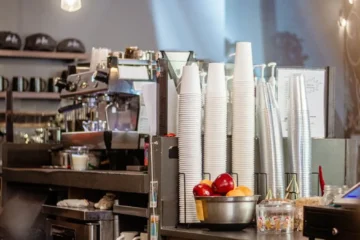
The most expensive failure during a morning rush isn’t a bad espresso shot; it is a trained barista abandoning their station to hunt for lids or reboot a POS system. For Yehor Chekalov, head roaster and lead shift barista at Austin’s Revolución, surviving high-volume service requires a rigid blueprint that maps every movement before the first customer arrives. Success depends on staging the bar so that every essential item is within arm’s reach, ensuring the team remains focused on extraction rather than logistics.
We treat the handoff area as sacred—no lids, milks, or phones are parked there.
Geometry and Station Discipline
Effective workflow relies heavily on station geometry and strict organizational habits. At Revolución, milk is staged by usage—2% sits at hip level while alternative milks are kept higher up—and pitchers remain immediately adjacent to steam wands. This minimizes unnecessary motion and keeps the momentum of production steady. Maintaining these small efficiencies extends to cleanliness through enforced rag habits, such as using dedicated dry rags for portafilters and damp ones for counters. We treat the handoff area as sacred—no lids, milks, or phones are parked there. By protecting this space, the transition from maker to guest remains seamless and professional.
Communication must also evolve when the noise floor rises. Chekalov advocates for “silent” signals and specific verbal cues over shouting, which only adds to the chaos. Instead of generic calls, staff should use a name plus drink format, and eye contact during the handoff is vital to prevent the common “Is this mine?” delay. When errors occur, the protocol is clinical: remake the drink immediately, allow the guest to keep the original if safe, and provide a single-use coupon with a controlled expiration date. This approach prioritizes customer recovery without sacrificing speed.
Sustaining Performance Through Micro-Assessments
Peak discipline is not a static trait; it requires constant calibration. Once the rush subsides, teams should avoid drifting into idleness. Instead, they should engage in a 60-second huddle to discuss one win and one necessary adjustment for the next shift. To prevent skill erosion, Chekalov implements a five-minute micro-assessment at closing, asking baristas to self-score their texture consistency and report their remake metrics. These deliberate feedback loops ensure that high-pressure service becomes a repeatable standard rather than a chaotic exception. By treating these protocols as coaching anchors rather than weapons, shops can maintain uncompromising quality even under intense pressure.
When your shop hits its busiest hour, do you prioritize raw speed or the precision of the workflow?
Questions & Answers
How can coffee shops improve workflow efficiency during busy hours?
Coffee shops can improve workflow efficiency by implementing strict station geometry and staging essential items within arm's reach. This approach minimizes unnecessary movement and keeps the team focused on drink extraction rather than logistical tasks like searching for lids. For example, organizing milk by usage and keeping pitchers adjacent to steam wands ensures steady production momentum. Protecting the handoff area from clutter also ensures that the transition from the barista to the guest remains seamless and professional.
What is the best way to handle drink errors during a rush?
The best way to handle drink errors is to follow a clinical protocol that prioritizes immediate recovery and customer satisfaction. Baristas should remake the incorrect drink immediately and allow the guest to keep the original beverage if it is safe to do so. To further smooth over the mistake, providing a single-use coupon with a controlled expiration date helps maintain customer loyalty. This structured method allows for effective service recovery without sacrificing the overall speed of the shop.
Why is communication important in a high-volume cafe environment?
Effective communication is vital in high-volume environments to prevent chaos and maintain order as noise levels rise. Instead of shouting, staff should utilize specific verbal cues, such as a name combined with the drink format, and use silent signals to coordinate movements. Maintaining eye contact during the drink handoff is also essential to prevent delays and confusion. These disciplined communication habits ensure that the team functions as a cohesive unit even during the most intense peak periods.
How do baristas maintain high performance standards after a rush?
Baristas maintain high performance standards by engaging in deliberate feedback loops and micro-assessments once the rush subsides. Teams should hold quick huddles to discuss one success and one necessary adjustment to prepare for the next shift. Additionally, implementing five-minute micro-assessments at closing allows staff to self-score their milk texture consistency and report remake metrics. These constant calibrations prevent skill erosion and transform high-pressure service into a repeatable, high-quality standard for the entire shop.
Originally reported by Barista Magazine.