⏱ 2 min read
The Short Version
Tenerife is trading simple fruit for volcanic tension, with high-altitude vineyards producing wines defined by stony, saline precision. From 1,650-meter slopes to ungrafted vines, the island is evolving from a niche player into a powerhouse of mineral complexity and grit.
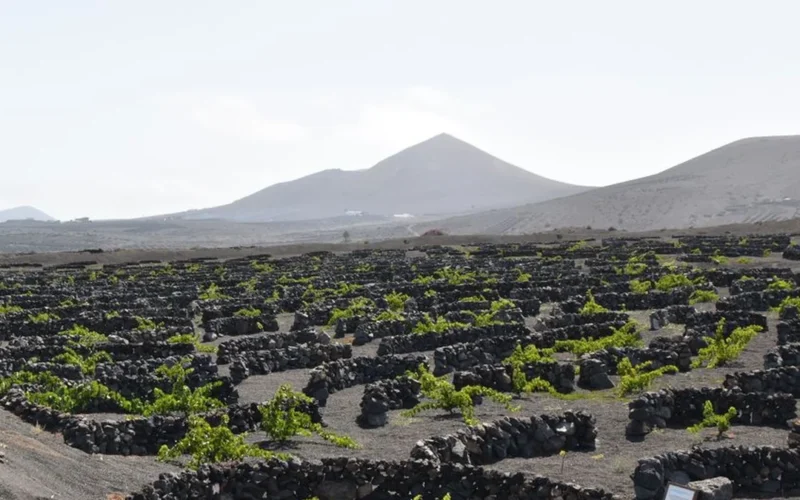
The recent Island Wines Summit in Tenerife revealed an island moving well beyond its niche status toward serious stylistic depth. While Suertes del Marques remains the undisputed benchmark for quality here, the broader tasting showcased a landscape defined by volcanic tension and high-altitude precision. From the steep slopes of Valle de la Orotava to the extreme elevations of the island’s interior, the wines are consistently trading simple fruit for mineral complexity.
Stony and salty; mineral and incisive with high acidity.
Altitude and volcanic character
Elevation plays a decisive role in shaping the island’s most striking profiles. Piedra Fluida Los Frontones 2023, sourced from Tenerife’s highest vineyard at 1650 m, stands out as a masterclass in intensity; it is stony, salty, and incisive with a sharp citrus finish (94/100). Similarly, Mencey Chasna Blanco Seco 2025 Albona thrives at 1300 m, offering a crisp, bright grapefruit profile underpinned by strong acidity (89/100). In Vilaflor de Chasna, Finca Encanto delivers a Listán Blanco that is both taut and mineral, characterized by a lovely, precise saltiness (91/100). Stony and salty; mineral and incisive with high acidity.
The expressive nature of these terroir-driven sites is perhaps best captured by Artifice Listán Blanco 2023 from Ycoden-Daute-Isora, which pairs a saline, wild energy with long-lasting fruit presence (94/100). This sense of place extends to the broader Islas Canarias category, where Vinatiago’s 2025 Listán Blanco utilizes ungrafted vines to produce a concentrated, linear wine with a distinct pear and citrus edge (94/100).
Texture and structural tension
Red wines from the island are proving equally capable of balancing juice with grit. The 2025 Salomé Tinto from Valle de la Orotava offers a supple raspberry profile tempered by an interesting graininess (92/100), while Engazo Tinto Cosecha 2023 provides a rich blend of Listan Negro, Tintilla, and Castellana with a noticeable hint of saltiness (91/100). In Tacoronte-Acentejo, Viña Riquelas Tinto Negramoll 2024 manages to maintain both substance and vibrant energy through its tart cherry notes (93/100).
Even when oak is present, it serves structure rather than masking identity. Viña Estévez Tinto Barrica 2024 retains its vibrant raspberry character despite its barrel influence (91/100), just as Taginaste Can 2024 uses oak to complement a classically structured berry and stony finish (90/100). Whether through the iodine notes found in Envinate Benje Tinto 2023 or the powerful terpenic character of El Sitio Malvasía Aromática 2024, Tenerife’s wines are increasingly defined by their ability to marry fruit purity with rugged, volcanic soul.
Does the prevalence of ungrafted vines on Tenerife make these wines more distinctive than those from mainland Spain?
Questions & Answers
How does altitude affect the flavor profile of Tenerife wines?
High altitude creates wines characterized by mineral complexity, high acidity, and intense precision. As vineyards move to extreme elevations, the flavor profiles shift from simple fruit toward stony, salty, and incisive notes. For example, Piedra Fluida Los Frontones 2023 is sourced from the island's highest vineyard at 1650 meters, resulting in a wine that is exceptionally stony and salty with a sharp citrus finish. This elevation helps shape the striking, terroir-driven profiles found throughout the island's interior.
What are the characteristic tasting notes of Tenerife's white wines?
Tenerife's white wines are primarily defined by bright acidity, saline energy, and distinct citrus or fruit profiles. Many of these wines exhibit a strong sense of place through mineral and iodine notes. For instance, Mencey Chasna Blanco Seco 2025 Albona offers a crisp grapefruit profile supported by high acidity, while Artifice Listán Blanco 2023 displays a saline and wild energy alongside long-lasting fruit. These characteristics highlight the island's unique volcanic terroir and high-altitude growing conditions.
What defines the structure and texture of red wines from Tenerife?
Red wines from Tenerife balance juicy fruit profiles with a distinct sense of grit and structural tension. These wines often feature a combination of supple fruit notes and a rugged, volcanic soul that can include graininess or saltiness. An example is the 2025 Salomé Tinto, which provides a supple raspberry profile tempered by an interesting graininess. Similarly, the Engazo Tinto Cosecha 2023 uses a blend of Listan Negro, Tintilla, and Castellana to deliver a rich profile with a noticeable hint of saltiness.
How is oak used in the production of Tenerife wines?
Oak is utilized in Tenerife winemaking to provide structural support rather than masking the natural identity of the wine. Producers use barrel influence to complement the existing character of the grapes, ensuring the volcanic essence remains prominent. For example, the Viña Estévez Tinto Barrica 2024 retains its vibrant raspberry character despite the presence of oak. Likewise, Taginaste Can 2024 employs oak to enhance a classically structured finish that features both berry notes and a stony quality.
Originally reported by Wine Anorak.