⏱ 2 min read
The Short Version
Forget stuffy galas; Vin et Hip-Hop is dismantling wine’s exclusionary pedestal by pairing legendary vintages with heavy-hitting beats. This cultural collision aims to bridge the gap between elite terroir and diverse audiences, proving that high-end luxury and hip-hop energy belong in the same glass.
In This Article
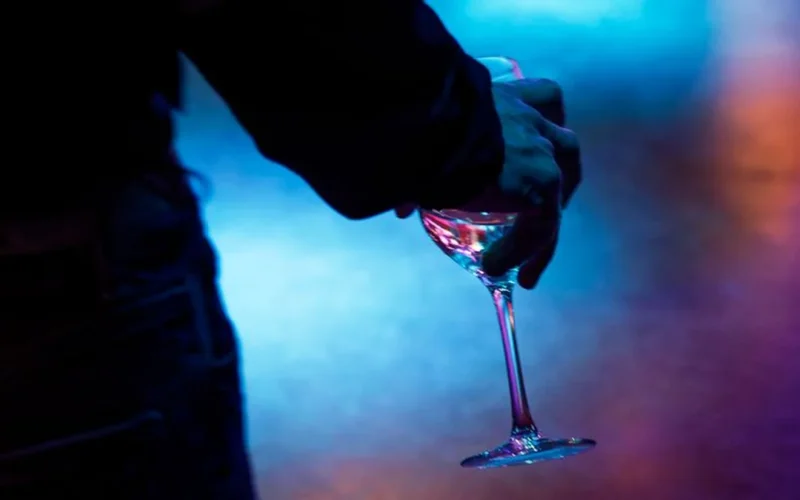
Saskia de Rothschild poured a taste of 1985 Lafite into a Zalto Universal glass while hip-hop pulsed through a dim Los Angeles club. This wasn’t a stuffy black-tie gala; it was the American debut of Vin et Hip-Hop, an experiential concept born from a collaboration between Domaine Dujac’s Jeremy Seysses, podcaster Jermaine “Wolf of Wine” Stone, and the marketing agency Hautes Côtes. Originally launched at Château du Clos de Vougeot in Burgundy—where Beastie Boys founder Mike D famously DJed following his induction into the Confrérie des Chevaliers du Tastevin—the movement seeks to bridge worlds through cultural exchange.
Breaking the Pedestal
The mission is a direct challenge to wine’s traditional, often exclusionary, presentation. Founded by Milena Berman and Loïc Lamy, the event aims to move away from sterile tastings toward something more visceral. In its Burgundy iterations, organizers encouraged guests to “come as you are” with tickets under $100. Wine has had a very different way of relating and representing itself and being engaged with culture in a certain way for a long time, but it’s maybe a bit out of touch with the mainstream of the culture. By pairing high-end producers with the driving energy of hip-hop, the series attempts to reach diverse audiences, specifically making inroads with Black wine drinkers who have historically been sidelined in the industry’s conversation.
The 2026 Los Angeles installment at Verse provided a glimpse of this tension between vision and reality. While the vibe was electric with performances by Common, Keyon Harrold, and Wiz Khalifa, the entry barrier was steep: attendance was invitation-only via expensive winemaker dinners starting at $850. Despite this exclusivity, the liquid on offer was staggering. Guests sipped Vintage Krug, Billecart-Salmon Elisabeth Salmon Rosé, Domaine Dujac 1er Cru Aux Combottes, and Harlan Estate. Even rare finds like a 2021 Arnoux-Lachaux Vosne-Romanée were available at eye-popping prices of $250—a fraction of its $600 retail value.
A Necessary Evolution
For an industry struggling with shrinking demand among younger generations, these cultural intersections are more than just parties; they are imperative. Whether through music or specialized festivals like Washington State’s heavy metal-themed Blood of Gods, wine must find ways to connect with existing communities of passion. To survive, the industry needs to move past press releases about sustainability certifications and embrace moments that prioritize fun and genuine accessibility. As Hautes Côtes plans future events in New York, Champagne, and Bordeaux, the challenge remains: can they scale this movement without losing the “come as you are” soul that makes it vital?
As the industry looks toward 2027, do you think high-concept cultural crossovers like this help democratize luxury wine, or do they simply create new layers of exclusivity?
Questions & Answers
What is the mission behind the Vin et Hip-Hop movement?
The Vin et Hip-Hop movement seeks to bridge the gap between traditional wine culture and mainstream musical influences through cultural exchange. By pairing high-end producers with the energy of hip-hop, the organizers aim to challenge the exclusionary and sterile nature of traditional wine tastings. This approach specifically attempts to reach diverse audiences and make significant inroads with Black wine drinkers who have historically been sidelined in the industry's global conversation.
Who are the key figures involved in creating Vin et Hip-Hop?
Vin et Hip-Hop is a collaborative concept born from the work of Jeremy Seysses of Domaine Dujac, podcaster Jermaine Wolf of Wine, and the marketing agency Hautes Côtes. The event series was also founded by Milena Berman and Loïc Lamy to move wine presentations away from stuffy, black-tie galas toward more visceral experiences. These creators aim to foster a more inclusive environment where enthusiasts can engage with luxury wines in a much more approachable and modern way.
How do the costs of Vin et Hip-Hop events vary between locations?
The cost of attending Vin et Hip-Hop events varies significantly depending on the specific iteration and location. In its original Burgundy settings, the movement embraced accessibility by offering tickets for under $100 and encouraging guests to come as they are. Conversely, the Los Angeles installment featured a much higher entry barrier, where attendance was restricted to invitation-only guests participating in expensive winemaker dinners starting at $850. This highlights the ongoing tension between the movement's inclusive soul and its luxury offerings.
Why is the wine industry pursuing cultural crossovers like hip-hop?
The wine industry is pursuing cultural crossovers to combat shrinking demand among younger generations by connecting with existing communities of passion. By integrating music and other cultural elements, the industry can move past traditional marketing and prioritize genuine accessibility and fun. These intersections are seen as an imperative evolution for the industry to remain relevant. Successful examples include specialized festivals like Washington State’s heavy metal-themed Blood of Gods, which help connect wine to specific cultural subcultures.
Originally reported by Vinography.