⏱ 1 min read
The Short Version
Stop treating mint like a basic dried herb and start applying orthodox tea processing to it. By using anaerobic stress to induce molecular changes, you can transform simple garden spearmint into a sophisticated, multi-layered beverage with unexpected fruity complexity.
In This Article
Stop treating mint like a simple dried herb; start treating it like Camellia sinensis. Most people view a tisane as nothing more than passive dehydration—a basic extraction of volatile monoterpenes. Because leaves are not naturally super permeable, standard tisanes often require 100°C water and long infusion times just to get anything out of them. But there is a way to move beyond this baseline flavor profile by applying orthodox tea processing techniques to common botanicals.
Applying orthodox tea crafting to other plants that biologically and chemically allow it opens a world of possibilities.
The GABA Experiment
The goal was to bypass the bitterness that usually accompanies bruised mint by using anaerobic stress, similar to how GABA oolong is produced. By subjecting young spearmint leaves to controlled oxygen deprivation, the intention is to induce chemical changes at a molecular level rather than relying on mere drying. This isn’t about reinventing the wheel; it is about reclaiming forgotten traditions where tea crafting methods were applied to various wild plants like fireweed or berry bushes. Applying orthodox tea crafting to other plants that biologically and chemically allow it opens a world of possibilities. The process began with selecting the youngest possible leaves, gently brushing them to maintain integrity before initiating the anaerobic phase. Though my initial attempts had technical hiccups, the resulting liquor yielded unexpected complexity far beyond typical garden herbs.
Beyond the Basic Infusion
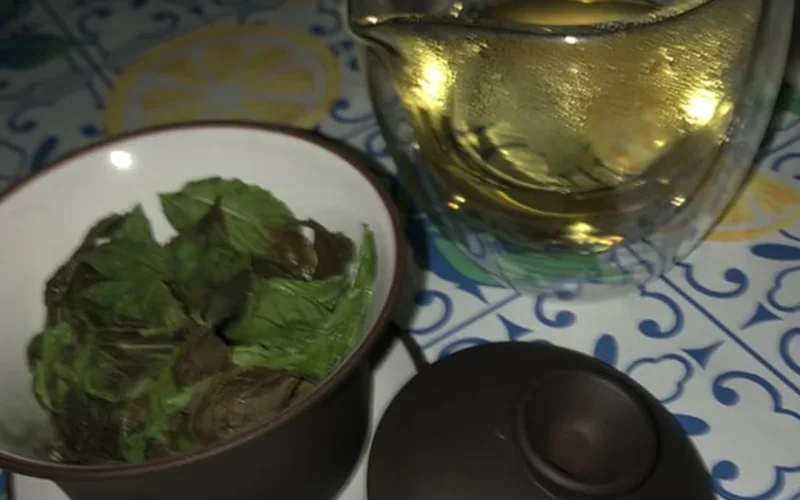
During a small Gongfu-style session, the processed leaves performed remarkably well. Despite being late in the season, the liquor remained smooth and clear at 90°C, offering fruity, sweet notes that are entirely absent from standard dried mint. Unlike traditional tisanes that often taste one-dimensionally sharp, this version developed a complex aftertaste where the minty profile acted as a subtle finish rather than an overwhelming force.
There is still significant room for refinement, particularly regarding the kill-green step to prevent darkening during multiple infusions. However, the experiment proves that botanical potential is vastly underexplored when we limit ourselves to simple drying. Intentional processing turns a common garden plant into a sophisticated, multi-layered beverage.
Have you ever experimented with applying tea processing techniques to other botanicals?
Questions & Answers
How does anaerobic stress change the flavor of spearmint?
Anaerobic stress changes spearmint by inducing chemical changes at a molecular level through controlled oxygen deprivation. This process mimics the production of GABA oolong tea to bypass the typical bitterness associated with bruised mint leaves. Instead of producing a one-dimensionally sharp taste common in standard dried herbs, this method creates a sophisticated liquor with fruity and sweet notes. The resulting beverage offers a complex aftertaste where the minty profile serves as a subtle finish rather than an overwhelming force.
What is the difference between a standard tisane and processed botanicals?
Standard tisanes are often simple extractions of volatile monoterpenes through passive dehydration, which frequently requires boiling water and long infusion times. In contrast, applying orthodox tea processing techniques to botanicals allows for much greater complexity and depth. While typical dried herbs can taste flat or overly sharp, intentional processing methods like anaerobic stress transform common garden plants into multi-layered beverages. This approach moves beyond basic drying to unlock the hidden biological and chemical potential of various plant species.
Why is it difficult to extract flavor from standard mint leaves?
Extracting flavor from standard mint leaves is difficult because leaves are not naturally super permeable to water. Because of this low permeability, most people find that they must use 100°C water and extended infusion times just to achieve a basic extraction of volatile monoterpenes. This reliance on high heat and long durations often results in a simple, one-dimensional flavor profile. Using advanced tea crafting methods can help overcome these physical limitations to produce a smoother and more nuanced liquor.
What steps are involved in processing spearmint using tea techniques?
The process involves selecting the youngest possible leaves and gently brushing them to maintain their structural integrity before starting the anaerobic phase. Following oxygen deprivation, the leaves can be brewed using Gongfu-style sessions to highlight their complex profiles. To improve future results, a kill-green step is necessary to prevent the leaves from darkening during multiple infusions. This intentional sequence of selection, oxygen deprivation, and controlled heating transforms a basic garden herb into a sophisticated beverage with unexpected fruity notes.
Originally reported by Reddit Tea.