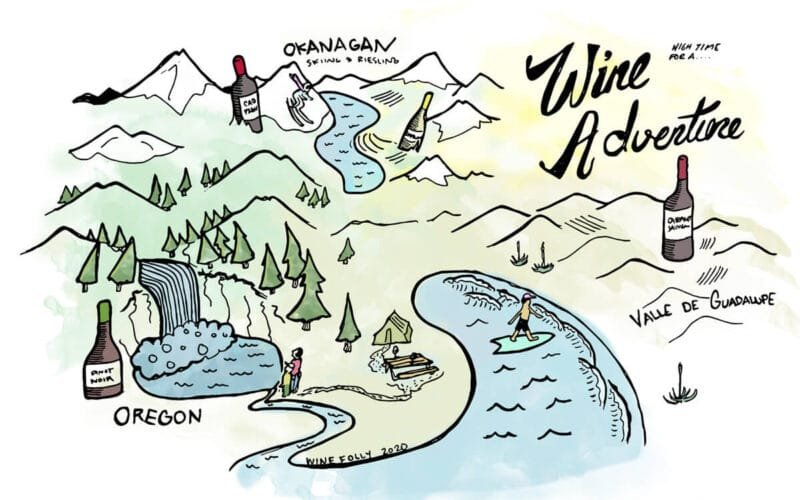
The world’s best wine regions are also its most breathtaking landscapes. From towering sequoias to roaring waterfalls, these 8 destinations pair vino with adventure in ways that will redefine your palate and your perspective. Imagine sipping a rich Zinfandel while scaling granite cliffs or toasting to Pinot Noir as thunderous rapids crash nearby. These are not just wine trips—they’re immersive experiences where the earth itself becomes part of the pour.
The Sierra Foothills offers a rugged blend of rock climbing and old-world vineyards. Here, the 19th-century gold rush left behind not just riches but centuries-old Italian and Spanish vines. After a day of scaling Yosemite’s cliffs, let a Barbera’s black cherry notes or a Tempranillo’s plum and cedar tones linger on your tongue. The region’s Zinfandel, bold and fruity, is a testament to how terroir and history can collide.
In Oregon’s Willamette Valley, Pinot Noir and waterfalls share a quiet reverence. The Trail of Ten Falls, with its 177-foot cascade, offers a backdrop for wines that balance cranberry acidity with earthy complexity. While Burgundy may claim Pinot’s crown, Willamette’s version—paired with the roar of nature—proves there’s no one-size-fits-all.
Mexico’s Valle de Guadalupe is a coastal playground where sea breeze and sun fuel Chenin Blanc and bold reds. Whale-watching boats and shark-swim excursions contrast with wines tinged by oceanic salinity. Nebbiolo, with its inky purple hue and dark cherry notes, feels like a taste of the wild, while sparkling vinos espumosos cut through fish tacos with citrus brightness.
These high-acid whites, with their sea-spray minerality, pair perfectly with fresh seafood.
The Bay of Fundy’s tidal surges create a unique terroir for Tidal Bay, North America’s only appellation wine. These high-acid whites, with their sea-spray minerality, pair perfectly with fresh seafood. The region’s blend of Seyval and L’Acadie is a reminder that nature’s extremes can shape flavor in unexpected ways.
In Turkey’s Cappadocia, fairy chimneys rise like ancient sentinels beneath hot air balloons. The region’s diurnal shifts—scorching days, cool nights—craft wines like Okuzgozu, offering eucalyptus and dark red fruit notes. It’s a place where the earth’s drama and viticulture create something almost otherworldly.
Tasmania’s cooler climate gives its wines a Champagne-like crispness, with Chardonnay and Pinot Noir standing out. Here
Questions & Answers
What’s the best time to visit Napa Valley?
Spring and fall offer ideal weather and fewer crowds. Summer is busy, while winter can be cold. Visit between April and October for the best experience.
Are wine tours family-friendly?
Many wineries offer kid-friendly tours and tastings. Check for family packages or guided tours designed for all ages. Some provide educational experiences for children.
Information sourced from industry reports and news outlets.