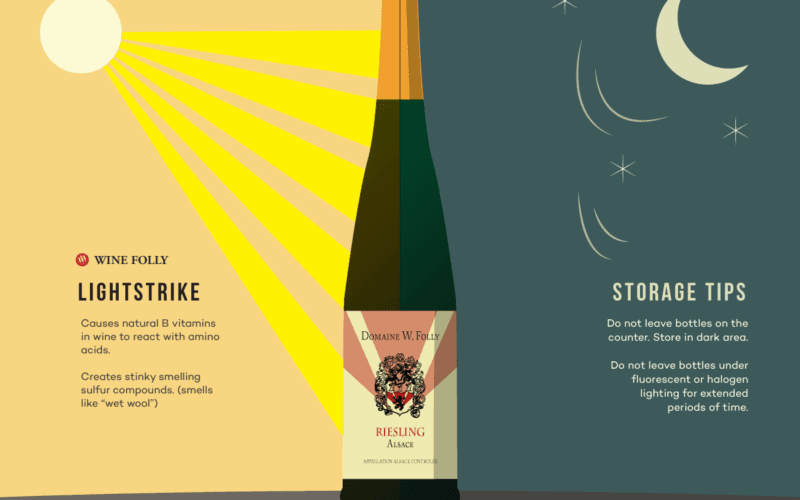
Your wine isn’t turning bad—it’s being cooked by sunlight. The moment a bottle of wine is exposed to direct UV rays, its delicate balance of flavors unravels. What starts as a vibrant, aromatic sip becomes a punch of sulfur compounds that smell like wet dog, wet cardboard, and cooked cabbage. This isn’t a natural aging process—it’s a chemical assault known as light strike. The culprit? Ultraviolet light interacting with riboflavin and pantothenic acid in the wine, triggering reactions that produce volatile sulfur compounds. These molecules are detectable in trace amounts, meaning even a few hours of sun exposure can ruin a bottle.
The color of the bottle is your first line of defense. Amber glass, often overlooked in favor of clear or green, blocks nearly all UV radiation. A study confirmed it offers near-total protection, making it the gold standard for wine storage. Green glass provides moderate defense, while clear glass? Virtually none. This isn’t just a matter of aesthetics—historically, green bottles were the default because they were easier to mass-produce. But as we’ve learned, their lack of UV protection has made them the most common culprits in light strike damage. Clear glass, a newer trend, prioritizes visibility over safety, leaving wine vulnerable to degradation.
If you’re serious about preserving your wine, consider upgrading your storage setup. LED lighting is a game-changer. Unlike traditional bulbs, LEDs emit no UV radiation, making them ideal for cellars or kitchens where wine is displayed. For those who prefer natural light, amber bottles are non-negotiable. Even if you’re storing wine in a cool, dark place, a single sunlit shelf can undo months of aging. The lesson is simple: UV exposure isn’t a minor inconvenience—it’s a silent thief of flavor.
Key points: Prioritize amber bottles for maximum UV protection, store wine in cool, dark environments, and use LED lighting to eliminate accidental exposure.
How do you keep your wine from turning into a sulfur nightmare.
How do you keep your wine from turning into a sulfur nightmare? Share your tricks below.
Questions & Answers
Does sunlight ruin wine?
Yes, sunlight can damage wine by breaking down compounds, leading to oxidation and loss of flavor. UV light accelerates this process, especially in clear bottles.
How long does light exposure hurt wine?
Light exposure can harm wine within hours. Prolonged exposure, especially in clear bottles, leads to faster degradation of taste and quality due to light-induced oxidation.
Information sourced from industry reports and news outlets.