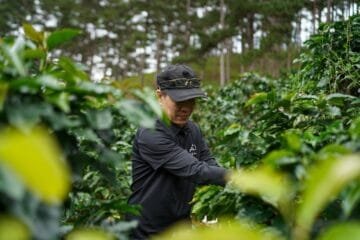
Get ready to sip on this: High-altitude Colombian coffee is a flavor paradox—its citrus and fruity brightness is a fleeting, almost elusive quality that demands precision to replicate. Yet for roasters chasing that vibrant profile, the struggle is real. The challenge isn’t just about technique; it’s about understanding how altitude, microclimate, and roast profiles conspire to shape a cup’s character. When you’re roasting beans like Reserva del Patron Narino, the goal isn’t just to preserve flavor—it’s to coax out the terroir’s signature brightness without scorching it away.
The key lies in balancing light roasts with controlled heat. Your latest attempt, while light, may have fallen short because temperature gradients matter. A roast that’s too cool fails to unlock the beans’ natural acidity, leaving you with muted notes. Conversely, pushing past 440°F risks caramelizing the sugars too aggressively, masking the citrus. The sweet spot is a narrow window where the beans’ inherent brightness can shine without being overcooked. Think of it like a tightrope walk: too hot, and the fruit vanishes; too cool, and the profile becomes flat.
Altitude plays a hidden role too. High-altitude beans mature slower, developing more acidity and floral notes. But those traits are fragile—roasting them too dark or too long can strip away the very qualities that make them special. The Reserva del Patron Narino you’re using is a high-altitude option, but even within that category, origin nuances matter. A bean from a specific microregion might have a different acidity profile than another. If you’re not sourcing from a precise lot, you’re missing a layer of complexity.
Your roasting setup is solid, but the devil’s in the details. The Freshroast SR800 is a capable machine, but without a precise profile tailored to these beans, you’re guessing. Use a thermometer to track temperature curves, and adjust based on the beans’ response. A slow, steady rise to around 385°F followed by a gentle hold might yield better results. And don’t overlook the grind—too coarse, and the roast won’t develop evenly; too fine, and you’ll over-extract bitterness.
Source beans from specific high-altitude origins for consistency.
Key points: Prioritize a light roast with precise temperature control to preserve citrus notes. Source beans from specific high-altitude origins for consistency. Fine-tune your roast profile to match the beans’ unique development.
Time to spill: Have you ever struggled to replicate a coffee’s flavor profile despite using the right beans? What adjustments did you make?
Questions & Answers
Why does high altitude Colombian coffee lack citrus flavor?
High altitude slows bean development, reducing acidity. This limits citrus notes. Lower altitudes often yield brighter, more fruity profiles.
How to enhance citrus in Colombian coffee?
Use lower altitude beans for brighter acidity. Roast lighter to preserve fruitiness. Pair with citrus zest or add a splash of lemon for enhanced flavor.
Information sourced from industry reports and news outlets.