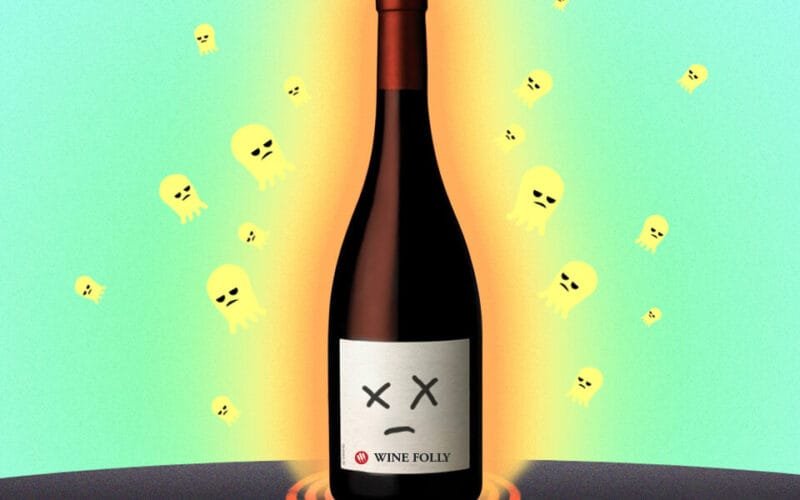
This might just change your routine: The same flaws that turn wine into a flawed experience can also become its greatest asset. Wine flaws aren’t always bad—they’re often the result of deliberate techniques or natural processes that add complexity, character, and even longevity. Understanding these nuances can transform how you perceive and enjoy wine, turning what many call a “fault” into a signature trait.
Oxidation, for instance, isn’t just a sign of spoilage. When controlled, it creates wines with savory, umami-rich profiles. Think of Vin Jaune from France’s Jura region, which ages under a veil of yeast, developing earthy, nutty, and leathery notes. These wines, often called “sous voile,” share DNA with Sherry’s Oloroso and Tawny Port, proving that oxidation can be a tool, not a mistake. Similarly, orange wines—made with extended skin contact—use oxygen exposure to amplify tannic structure and dried fruit intensity. The key? Balance. Too much oxidation, and the wine becomes cooked or cloying, but in moderation, it’s a flavor profile worth seeking.
Heat, too, can be a winemaker’s ally. Madeira’s Estufagem process heats wine in tanks, while Canteiro lets the sun do the work. The result? Wines with caramelized, smoky, and nutty layers, like the “Madeirized” styles that age for decades. Even Rancio Sec, a Sherry-like wine from the French-Catalan border, thrives on this “cooking,” becoming virtually immortal once opened. Yet, heat isn’t always intentional—storing wine in sweltering environments or shipping it without temperature control can lead to similar outcomes. The lesson? A wine’s “cooked” character isn’t always a flaw, but a marker of its journey.
Then there’s Brettanomyces, the wild yeast that’s both a bug and a blessing. While its barnyard or sweaty saddle aromas can overwhelm, many winemakers embrace it as part of their “house style.” Southern Rhône reds, Italian Barbera, and older Napa/Bordeaux vintages often showcase Brett’s complexity. The trick is moderation. Too much, and the wine loses its identity; too little, and it feels flat. Pyrazine, the green bell pepper note in Sauvignon Blanc or Cabernet Franc, is another example. While it can dominate, a hint of this herbaceous character is often a sign of cool-climate terroir.
Heat, through processes like Estufagem, creates complex, age-worthy profiles in Madeira and Rancio Sec.
KEY POINTS: Oxidation, when controlled, adds savory depth and longevity to wines like Vin Jaune and Sherry. Heat, through processes like Estufagem, creates complex, age-worthy profiles in Madeira and Rancio Sec. Brettanomyces and pyrazine can enhance character when balanced, but excess overwhelms the wine.
What’s your take on these flawed flavors? Share your favorite “flawed” wine in the comments below.
Questions & Answers
Is oxidized wine always bad?
No. Oxidized wine can develop nutty, caramel notes if caught early. It’s not ideal for young wines but can enhance aged wines when balanced.
Can corked wine be enjoyable?
Rarely. Cork taint (TCA) imparts moldy, wet cardboard flavors, making the wine unpleasant. It’s generally best to avoid corked bottles.
Information sourced from industry reports and news outlets.