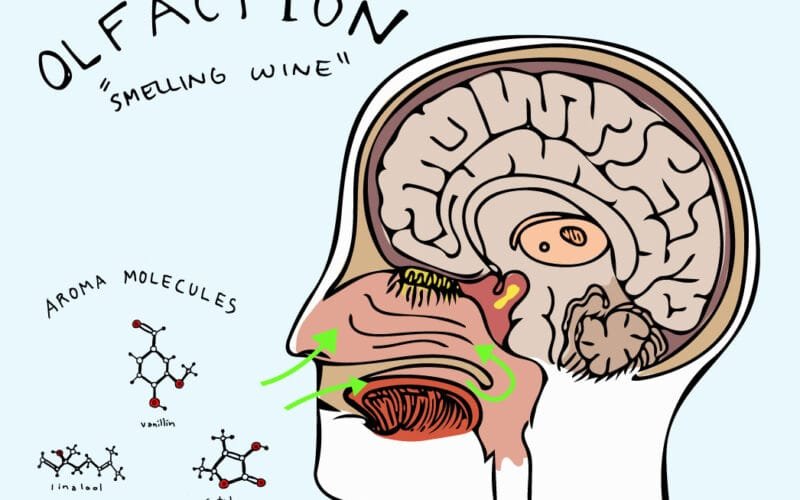
Here’s what you need to know: Wine aromas are more than just a sensory experience—they’re a molecular symphony. Every sniff you take is a conversation between tiny molecules and your nose, revealing layers of flavor that span from the vineyard to the bottle. These aromas aren’t random; they’re shaped by biology, chemistry, and time. Understanding how they form can turn casual sipping into a refined act of discovery.
Primary aromas are the genetic fingerprint of the grape. Varietal traits like Moscato Bianco’s floral sweetness stem from monoterpenes, compounds that evolved as a survival mechanism. Grapes released these scents to attract animals, ensuring seed dispersal. But these molecules are often trapped, bonded to larger compounds that delay their release. This is why a young wine might feel “closed”—the aromas are waiting to unfurl. Dr. Luigi Moio’s research shows this delayed release is key to a wine’s aging potential, as seen in Alsatian wines that deepen over time.
Secondary aromas emerge during fermentation, a chemical alchemy driven by yeast. Saccharomyces cerevisiae transforms sugar into alcohol but also produces esters—molecules that smell like apple, tropical fruit, or red berries. These are why Beaujolais Nouveau explodes with fruitiness. Meanwhile, malolactic fermentation, led by bacteria, adds buttery, nutty, or spicy notes. These aromas are fleeting, yet they define a wine’s character in its youth.
Tertiary aromas are the result of time. Aging in barrels or bottles triggers chemical reactions, oxidation, and wood influence. For example, Sherry and Madeira develop dried fruit and caramel notes through oxygen exposure, while oak imparts vanilla or toast. Each barrel’s origin and toasting level alters the flavor profile, proving that aging isn’t just about time—it’s about transformation.
A wine’s evolution is a balance of hidden molecules waiting to be released.
Key points: Primary aromas are innate to the grape, secondary aromas arise from fermentation, and tertiary aromas emerge through aging. A wine’s evolution is a balance of hidden molecules waiting to be released.
So next time you uncork a bottle, what aroma will you notice first?
Questions & Answers
What causes the smell of wet cardboard in wine?
The smell of wet cardboard in wine comes from a chemical called 4-methylphenol. It’s a byproduct of fermentation and adds a earthy, musty note to the aroma.
How can I tell if wine has a fruit aroma?
Look for notes of berries, citrus, or stone fruits. These aromas come from compounds like esters and terpenes, which are produced during fermentation and grape ripening.
Information sourced from industry reports and news outlets.