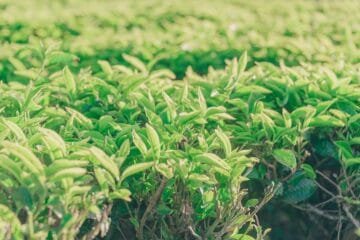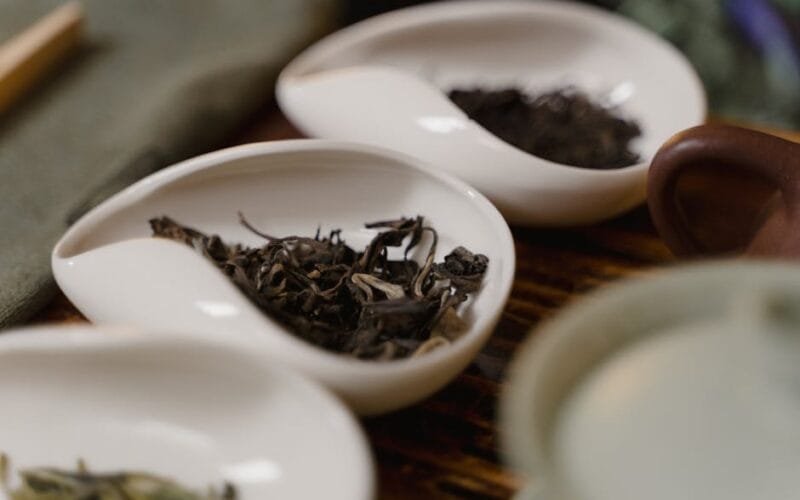
The verdict is in: tea isn’t just a drink—it’s a story written in soil, climate, and craftsmanship. When you pay €15 for 100g of jasmine green tea versus €2 for a supermarket bag, you’re not just buying leaves; you’re investing in precision. Kusmi’s premium offering likely benefits from controlled growing conditions, meticulous plucking, and post-harvest artistry. Supermarkets sell bulk teas that prioritize volume over nuance, often sacrificing flavor for cost. The price gap isn’t arbitrary—it’s a reflection of terroir, labor, and the alchemy of tea processing.
But here’s the twist: quality doesn’t always mean complexity. Asian supermarkets thrive on accessibility, offering affordable teas that still deliver depth. Their shelves might lack the curated curation of specialty shops, but they’re a goldmine for experimentation. A budget-friendly pu’er or oolong from a local market could surprise you—especially if you’re willing to skip the gongfu ceremony. The key is to treat these teas like puzzle pieces: some fit the simple brewing style you love, others demand more attention.
Jasmine tea’s appeal lies in its balance of floral sweetness and vegetal freshness. If you’re craving similar vibes, look for high-quality white teas like Silver Needle or delicate green teas like Dragon Well. These varieties often thrive in straightforward brewing, where clarity of flavor shines. Oolong and pu’er, however, are trickier. While they can work in a basic setup, you’ll need to adjust: use slightly hotter water, shorten steeping times, and prioritize quality over quantity. A low-effort approach won’t unlock their full potential, but it can still yield pleasant results.
The real takeaway? Price isn’t the only metric. A €2 supermarket tea might lack character, but a €15 specialty blend could offer a sensory journey. Asian markets are worth exploring—they’re a shortcut to discovery without breaking the bank. And if you’re drawn to oolong or pu’er, don’t write them off. With a few tweaks, they can complement your simple brewing ritual.
Share your favorite low-maintenance setup below.
What’s your go-to tea for effortless brewing? Share your favorite low-maintenance setup below.
Questions & Answers
How do I brew oolong tea properly?
Use 180°F water, 2 minutes steep time. Use a clay pot or gaiwan. Avoid boiling water to preserve flavor. Steep multiple times for layered taste.
What’s the best way to store pu’er tea?
Store in a cool, dry place with good airflow. Use a breathable container like a cloth bag or ceramic jar. Avoid direct sunlight and strong odors.
Information sourced from industry reports and news outlets.