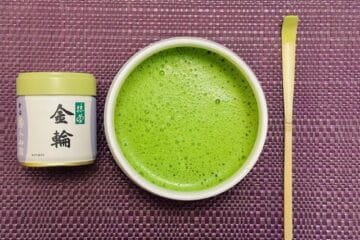
This is worth savoring: Tea isn’t just a ritual—it’s a powerhouse of potential health perks. While coffee dominates conversations, tea quietly holds the crown as the world’s second most consumed beverage. But beyond its flavor, what happens when you sip it daily? Registered dietitians say the answer lies in its unique blend of nutrients, antioxidants, and subtle variations that make each cup a contender for wellness.
Tea’s nutritional profile varies wildly depending on the type. Nutritive varieties like stinging nettle or horsetail pack minerals like calcium and iron, while hibiscus and rosehip deliver a boost of vitamin C. Black tea, made from the Camellia sinensis plant, delivers 35.6mg of caffeine per 6-ounce serving—technically an antioxidant—alongside polyphenols that fight free radicals. Green, white, and oolong teas, all from the same plant, differ in fermentation levels, which affects their antioxidant potency. Green and white teas, less fermented, top the list for their catechin content, particularly EGCG, a compound linked to anti-inflammatory and neuroprotective effects.
Yet, the benefits aren’t automatic. What you add to your tea matters. Sugar, for instance, can negate its anti-inflammatory properties, while cow’s milk might bind to EGCG, reducing absorption. Caffeine sensitivity, tannins that hinder iron absorption, and fluoride’s impact on iodine uptake are other factors to consider. “The best tea for you depends on your health goals and sensitivities,” says Jenna Volpe, RDN. “Unsweetened varieties are a safe bet for most.”
Key points: Tea’s antioxidant power varies by type, with green and white teas leading the pack. Caffeine and additives like sugar or milk can alter its benefits. Individual health needs—like iron or thyroid concerns—shape the ideal tea choice.
Pour yourself a cup for this one: What’s your go-to tea, and how do you brew it.
Pour yourself a cup for this one: What’s your go-to tea, and how do you brew it? Share your ritual below.
Questions & Answers
Does drinking tea every day help with weight loss?
Tea may boost metabolism and reduce appetite, but it’s not a magic solution. Dietitians say it works best when combined with a balanced diet and exercise.
Can drinking tea every day cause health issues?
Excessive tea consumption may lead to insomnia, stomach upset, or nutrient deficiencies. Moderation is key, and dietitians recommend 3–4 cups daily for most people.
Information sourced from industry reports and news outlets.