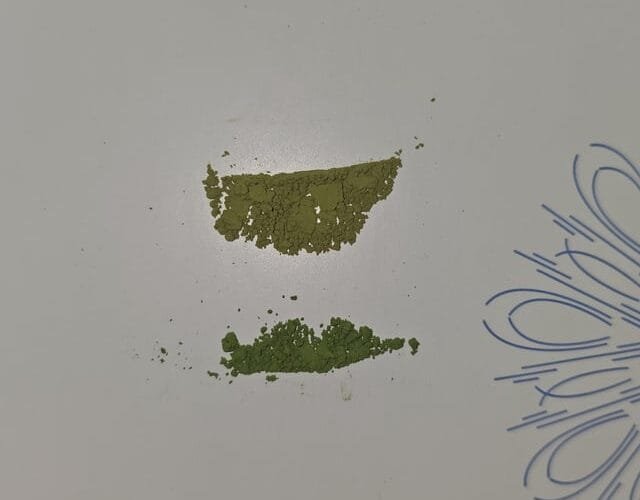
There’s something brewing in the world of matcha that goes beyond the frothy ritual of a latte. When I finally cracked open the Ippodo from Japan—after months of sipping on budget-friendly powder for smoothies—the difference was less about taste and more about revelation. The color alone was a wake-up call: a vibrant, almost neon green that made my usual batch look like a pale shadow. It wasn’t just about aesthetics; it was about the way the powder dissolved, the way the aroma lingered longer, and the way the flavor unfolded with a depth that basic matcha couldn’t touch.
The Ippodo is a story of craftsmanship. Made from shade-grown Camellia sinensis leaves, it’s processed with meticulous care, resulting in a powder that’s both silky and bold. My wife’s gift wasn’t just a treat—it was a masterclass in how quality elevates the experience. The taste was cleaner, the bitterness more refined, and the umami notes more pronounced. It’s not just about drinking matcha; it’s about savoring the nuances of a product that’s been honed for centuries.
But here’s the catch: the price tag reflects that precision. At nearly double the cost of my usual stash, I’ve settled into a ritual of using it once or twice a week. It’s a trade-off between indulgence and practicality. For daily sippers, the premium stuff might feel like a splurge. But for those who want to taste the difference, it’s worth the investment. The visual impact alone—how the vibrant green transforms a simple smoothie into a moment of culinary curiosity—makes it a standout.
Key points: The Ippodo’s vivid color and refined flavor highlight the gap between mass-produced and artisanal matcha. Its cost demands a mindful approach, balancing luxury with routine. The experience isn’t just about the drink—it’s about the story behind the powder.
What if the real magic of matcha isn’t in the cup, but in the journey to find it.
What if the real magic of matcha isn’t in the cup, but in the journey to find it? Share your thoughts below.
Questions & Answers
What’s the difference between ceremonial and culinary matcha?
Ceremonial matcha is higher grade, used for drinking, with a sweeter taste. Culinary matcha is lower grade, used for cooking, with a stronger, earthier flavor.
How to brew matcha properly?
Use a bamboo whisk, 70°C water, 1 tsp matcha, whisk until frothy. Serve immediately for best flavor and texture.
Information sourced from industry reports and news outlets.