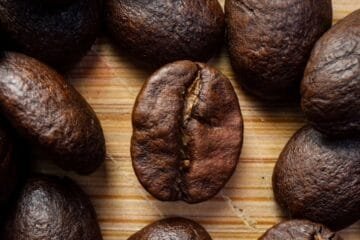
Here’s something to stir your curiosity: Your first coffee roast didn’t go as planned—but that’s where the magic begins. You’re not alone in the chaos of first-time roasting, especially with a machine like the GeneCafe CBR-101, which demands precision and patience. The story of your first attempt? A mix of trial, error, and a dash of determination. You started with Yoshihara’s Ethiopian beans, a trusted partner in Kyoto, and your own batch, but the results? A roast that dropped before first crack, darker than intended, and a re-roast that pushed it into medium territory. The question isn’t just how you did—but how you’ll improve.
The CBR-101’s quirks are legendary. Preheating at max (250°C) and holding that heat until the end, as you did, is a method some swear by. But the first crack’s timing—critical for flavor development—can be elusive. You missed it entirely, likely due to the machine’s sensitivity to heat distribution. Light roasts, your preference, require a delicate balance: too much heat too soon, and you’re chasing darkness. The re-roast, though risky, shows you’re willing to adapt. Yet the lesson is clear: first crack isn’t just a technical checkpoint—it’s the moment coffee transitions from bean to brew, and missing it means losing control of the roast’s destiny.
Your approach highlights a common pitfall: over-reliance on presets. The CBR-101’s max heat setting, while effective for some, can mask subtle cues. A better strategy? Monitor the beans’ color shift and auditory signals more closely. Light roasts demand vigilance; even a few seconds’ delay can skew the profile. Also, consider the bean’s origin. Yoshihara’s beans, with their inherent brightness, might have reacted differently to heat than your own batch. Roasting is as much about the bean as the machine.
Key points: First crack timing is non-negotiable for flavor; preheating at max can help but requires close attention; light roasts need precision, not brute force.
Share your tricks in the comments.
Close: If you’ve ever wondered how to balance the CBR-101’s intensity with your roast’s soul, what’s your secret to hitting first crack? Share your tricks in the comments.
Questions & Answers
How do I know if my first roast was good?
Check for humor, balance, and respect. Avoid insults or personal attacks. A good roast is witty, light, and leaves the other person laughing, not hurt.
What if my roast backfires?
Apologize if it was harsh. Acknowledge the mistake and move on. Keep the conversation friendly. Learn from it and avoid similar jokes in the future.
Information sourced from industry reports and news outlets.