Time to spill: After a year of obsessive espresso tinkering, I’ve come to a sobering conclusion—many coffee shops are squandering their potential. I’m not a barista, but I’ve spent hours dialing in my own shots, and the results? Often, the espresso I’ve tasted feels like a half-baked experiment. It’s not just about the beans or the machine; it’s about the invisible dance of technique, timing, and care. Yet, for all the hype around “third-wave” coffee, the espresso remains a wild card.
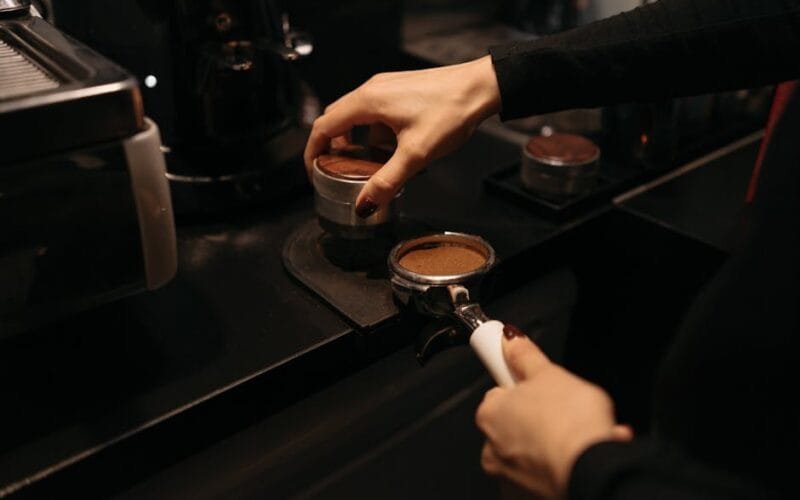
The problem starts with the basics. A great shot needs precision: the right roast, the right grind, the right water temperature. But too often, I’ve seen shops prioritize speed over quality. A rushed tamp or a muddled extraction leaves the coffee tasting flat, bitter, or overly acidic. Even when the beans are good, poor execution turns them into a disappointment. It’s like baking a soufflé with the wrong oven temperature—everything’s off.
Then there’s the barista factor. Some shops treat espresso as an afterthought, using it as a cash grab rather than a craft. Others rely on untrained staff who mistake power for skill. A shot that should take 25 seconds often takes 35, and the result is a burnt, over-extracted mess. Meanwhile, the vibe is perfect—soft lighting, cozy seating, the hum of conversation—but the drink feels like an oversight. It’s a dissonance that’s hard to ignore.
The real kicker? Many shops don’t even acknowledge the issue. They’ll tout their “single-origin” beans or “hand-poured” methods, but the espresso remains a footnote. It’s a paradox: the most iconic part of coffee culture is often the weakest link.
Baristas need training, not just passion.
KEY POINTS: Espresso quality hinges on bean quality and technique, not just hype. Baristas need training, not just passion. Don’t let ambiance overshadow the drink—ask yourself if the shot tastes like it’s been through a grinder.
So next time you’re sipping a shot, what’s your take? Share your thoughts below.
Questions & Answers
Why do some coffee shops serve bad espresso?
Poorly trained baristas, cheap equipment, or lack of quality beans often lead to weak, bitter, or under-extracted espresso. Consistency and skill matter greatly in espresso preparation.
How can I tell if espresso is bad?
Bad espresso is watery, bitter, or overly sour. It may lack crema and have an inconsistent texture. A good espresso should be rich, balanced, and aromatic.
Information sourced from industry reports and news outlets.