Competitions are the proving grounds where coffee’s future is brewed. As these events have evolved from niche gatherings to global showcases, they’ve become laboratories for innovation, where baristas test ideas that eventually shape the industry. Yet, the balance between structure and creativity remains a delicate act—how do we preserve the spirit of experimentation while maintaining the rigor that elevates these competitions?
At the heart of this tension is the role of standardized rules. As competitions grow in prestige, they’ve adopted stricter guidelines, from uniform equipment to precise time limits. This structure ensures fairness but risks stifling the spontaneity that fuels creativity. Yet, the most groundbreaking ideas often emerge from these constraints. Take the Weiss Distribution Technique (WDT), a tool that started in competitions and now defines extraction consistency in specialty cafes. Or freeze-distilled milk, a method that concentrated sweetness through freezing—a technique once reserved for elite baristas, now accessible to anyone with a passion for precision.
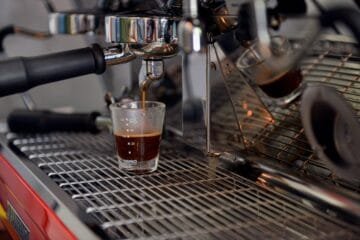
The key to sustaining innovation lies in accessibility. Valentina Dalla Corte, Chief of Staff at Dalla Corte, argues that competitions must remain open to new talent while upholding quality. “They’re living laboratories,” she explains, “where baristas refine techniques, share knowledge, and redefine standards.” This philosophy is evident in events like the World Espresso Championship (WEC), where participants use the same coffee and equipment, forcing them to focus on mastery rather than gimmicks. The result? A deeper exploration of extraction, with baristas tweaking flow rates and temperatures to unlock hidden flavors.
Dalla Corte’s support for diverse competition formats—from the World Barista Championships to the WEC—reflects a belief that variety strengthens the specialty coffee community. The WEC’s fourth edition in Milan, for example, highlighted how a single shot of espresso can become a canvas for creativity. By publishing winners’ recipes and equipment choices, these events democratize innovation, making cutting-edge techniques available to cafes worldwide.
Structured rules ensure credibility but must be balanced with opportunities for experimentation.
Key Points Competitions drive industry-wide innovation by testing and popularizing techniques like WDT and freeze-distilled milk. Structured rules ensure credibility but must be balanced with opportunities for experimentation. Sponsors like Dalla Corte play a vital role by supporting diverse formats that foster both skill and creativity.
What if the next breakthrough in coffee came from a competition you’ve never heard of? How can we ensure these events stay open to fresh voices while maintaining their reputation for excellence?
Questions & Answers
Are coffee competitions encouraging innovation?
Yes, competitions often push baristas to experiment with new techniques and flavor profiles, fostering creativity in coffee preparation and presentation.
How creative can coffee competitions be?
Competitions showcase everything from artistic latte designs to unique brewing methods, highlighting the creative potential of coffee as both a drink and an art form.
Information sourced from industry reports and news outlets.