Chardonnay is the wine world’s most contentious grape—so why is it still the star of the show? For decades, it’s been the subject of disdain, mocked for its buttery, vanilla-drenched profiles. Yet here we are, still sipping it, still debating its merits. The truth? Chardonnay isn’t a monolith. It’s a chameleon, and the right bottle can turn critics into fans. Take this Lake County example: a wine that defies the stereotype.
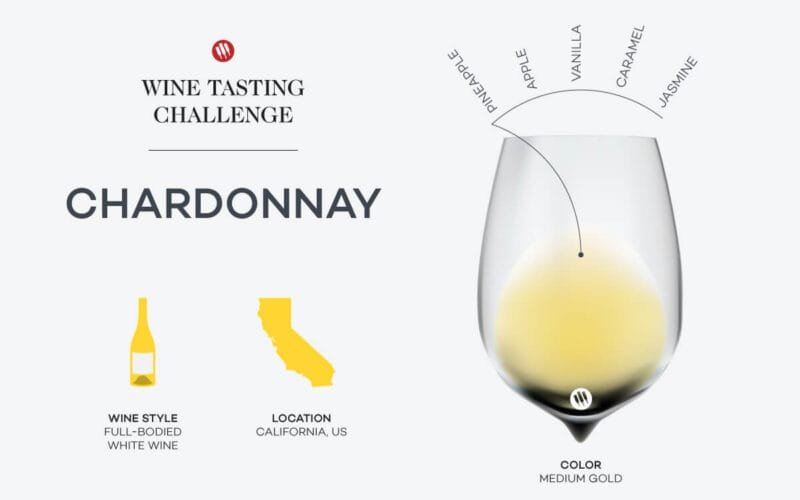
The problem with Chardonnay isn’t the grape itself—it’s how it’s been co-opted. Corporate labels have turned it into a flavor factory, drowning its natural character in oak and caramel. The result? A one-note experience that feels like a commercial. But that’s only part of the story. The same grape can be a revelation in the right hands. This Lake County bottling proves it: medium gold in color, it smells of pineapple, apple, and a surprising note of root beer candy. On the palate, it’s a dance of pear, peach, and a creamy finish that lingers like caramel apple. It’s not about hiding flaws—it’s about letting the fruit shine.
The key to Chardonnay’s redemption lies in balance. Too much oak, and it’s a dessert wine in disguise. Too little, and it’s flat. The best versions, like this one, let the acidity cut through the richness, creating a harmony of sweet and savory. It’s a reminder that Chardonnay isn’t just for apple pie—it’s for anyone who wants a wine that’s both bold and nuanced.
Balance, regional diversity, and the willingness to embrace complexity are the pillars of great Chardonnay. From the mineral-driven rigor of Chablis to the lush, tropical tones of New Zealand, the grape’s versatility is unmatched. So next time you open a bottle, ask yourself: is it a relic of excess, or a masterclass in restraint?
Let us know what you’re tasting in the comments below.
Where did your Chardonnay come from? Let us know what you’re tasting in the comments below!
Questions & Answers
How long does California Chardonnay last?
Most California Chardonnays are best enjoyed within 2-5 years. Vintage variations and oak aging influence longevity, but they generally don’t age as long as Burgundian Chardonnays.
What food pairs well with California Chardonnay?
Pair with buttery dishes like lobster, creamy pasta, or grilled chicken. Its rich, oaky notes complement fatty or cheesy foods well.
Information sourced from industry reports and news outlets.