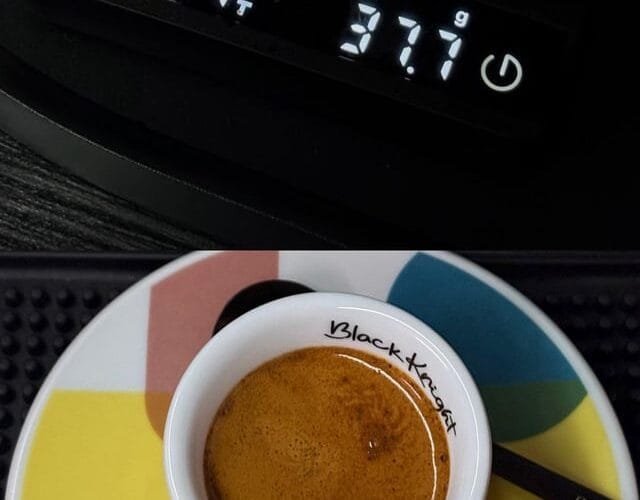
Real talk: espresso isn’t about guesswork—it’s about precision. The moment you tamp the grounds, you’re setting the stage for a shot that’s either brilliant or bland. Timing isn’t just a detail; it’s the heartbeat of the process. When the water hits the puck, the flow should be steady, not rushed or hesitant. A good shot feels like a conversation—calm, intentional, and full of nuance.
Consistency is the unsung hero of espresso. If you’re using a machine, the same grind size, dose, and tamp pressure should feel like ritual. But don’t mistake rigidity for perfection. The beans you’re working with matter. A darker roast might demand a slightly longer extraction, while a lighter roast could need a faster flow. The key is to notice how the shot evolves—crackles, bubbles, clarity—and adjust without overthinking.
The real magic happens in the middle. A shot that’s too sour? You’ve under-extracted. One that’s flat and bitter? You’ve over-extracted. The ideal balance is a liquid that’s smooth, aromatic, and leaves your palate wanting more. It’s not about hitting a target but tuning the process to the coffee’s voice. This is where experience meets intuition.
If you’re using a manual method, the same principles apply. The pressure you apply, the speed of your pour, and the temperature of the water all play a role. Trust your senses: a good shot should feel effortless, not forced. And if you’re using pre-ground coffee? You’re already playing catch-up. Freshly ground beans are non-negotiable.
The best baristas don’t just follow rules—they listen to the beans.
Timing, consistency, and adaptability—these are the pillars of a great shot. But here’s the catch: no two coffees behave the same. The best baristas don’t just follow rules—they listen to the beans. So what’s your secret to pulling a shot that’s both precise and personal?
What’s your go-to method for hitting that perfect balance?
Questions & Answers
What’s the ideal espresso shot timing?
A good shot takes 25-30 seconds. Too fast, and it’s under-extracted; too slow, and it’s over-extracted. Aim for a balanced, smooth flow with clear, even extraction.
How does roast affect espresso?
Darker roasts need longer extraction times, while lighter roasts require faster flow. Adjust timing based on roast level to achieve balance and flavor clarity.
Information sourced from industry reports and news outlets.