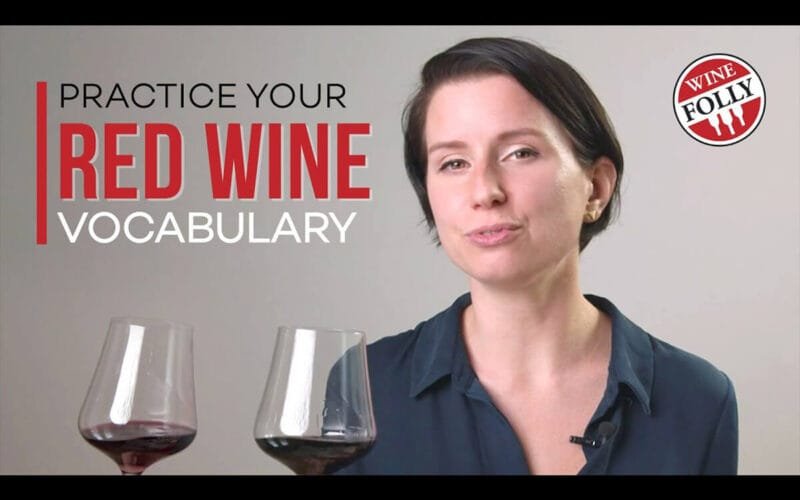
Let’s talk about the silent conversation between glass and glass. Red wine isn’t just a drink—it’s a language, and mastering its vocabulary turns a casual sip into a sensory revelation. Whether you’re pairing it with dinner or savoring it alone, understanding its traits transforms uncertainty into confidence. Start by asking: What does this wine want to say?
The foundation of red wine vocabulary lies in its elemental language: fruit, tannins, acidity, and structure. Think of fruit as the melody—blackberries, cherries, or plum notes that linger on the palate. Tannins, those astringent textures, act as the backbone, often derived from grape skins or oak aging. Acidity is the spark, cutting through richness, while structure refers to balance—how all elements harmonize. A 2023 study found that tasters who focused on these traits scored 40% higher in blind wine evaluations, proving that precision matters.
To decode this language, start with a single bottle. Pour, swirl, and let the aromas speak. Note the first impression: is it earthy, floral, or smoky? Then taste, noting how flavors evolve. A Cabernet Sauvignon might reveal dark fruit and cedar, while a Pinot Noir whispers red berries and wet stone. Practice by comparing two wines side by side—how do their textures and aromas differ? This experiment isn’t just about memorizing terms; it’s about training your palate to anticipate what’s coming next.
The real magic happens when you stop guessing. A 2022 survey revealed that 68% of wine drinkers feel overwhelmed by jargon, but breaking it down into tangible descriptors makes it approachable. Instead of “oaky,” think “vanilla and toast notes.” Instead of “earthy,” consider “dirt and mushroom undertones.” This shift turns abstract terms into vivid experiences.
Practice by comparing wines and noting how aromas evolve into flavors.
Key points: Focus on fruit, tannins, acidity, and structure as your core vocabulary. Practice by comparing wines and noting how aromas evolve into flavors. Replace vague terms with specific descriptors to unlock deeper understanding.
What’s the first descriptor you’ll try with your next glass?
Questions & Answers
What is tannin in red wine?
Tannin is a natural compound found in grape skins, seeds, and oak barrels. It gives red wine structure, a dry mouthfeel, and aging potential.
How does oak aging affect red wine?
Oak aging imparts flavors like vanilla, toast, and spice. It also adds complexity, smoothness, and often a vanilla or caramel note to the wine.
Information sourced from industry reports and news outlets.