Oolong

The Alchemy of Tea: How Craft Shapes Flavor

The Alchemy of Tea: How Craft Shapes Flavor

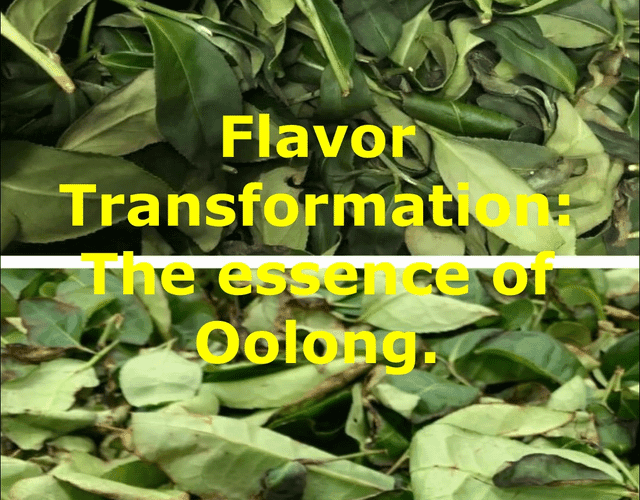
Consider this your morning briefing: A single tea leaf can taste like a forest or a bakery—depending on how it’s made. The story of "Soft Branch White" (软枝白茶) isn’t just about misidentification; it’s a masterclass in how crafting methods rewrite a leaf’s destiny. When a user described a tea with sharp, grassy notes and light liquor, I assumed it was a traditional Oolong. But the truth? The same Qingxin Oolong leaves were transformed into White Tea through minimalist sun-withering, bypassing the bruising and roasting that usually soften grassy compounds into floral tones. This is the power of craft: it’s not…
Read More
The Quiet Power of Static Withering in Oolong Craft

The Quiet Power of Static Withering in Oolong Craft

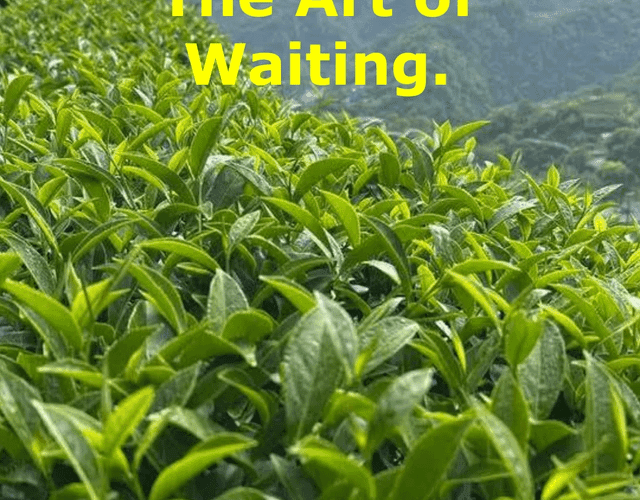
Listen up: If you’ve ever wondered why some Oolong teas taste like a symphony and others like a struggle, the answer might lie in a single, overlooked step: static withering. This stage, often dismissed as a passive waiting game, is actually the silent architect of flavor. When leaves are left to rest undisturbed, moisture redistributes naturally, allowing the tea’s chemical orchestra to play out without interference. Rush it, and you’re left with a bitter, astringent mess—because the delicate balance of compounds that define Oolong’s complexity is disrupted. Static withering isn’t just about time; it’s about physics. Leaves left to settle…
Read More
The Alchemy of Oxidation: How Oolong Tea Transforms Flavor

The Alchemy of Oxidation: How Oolong Tea Transforms Flavor

Listen up: Oolong tea isn’t just a drink—it’s a biochemical experiment in motion. The way its flavor evolves from one cup to the next hinges on a single, precise process: oxidation control. By manipulating how long leaves are exposed to air, artisans coax out profiles that range from delicate orchid florals to bold, ripe peach tones. This isn’t magic—it’s science, refined to art. At the heart of this transformation is hydro management during withering. Temperature, humidity, and flipping frequency aren’t just variables; they’re levers that dictate moisture release and enzyme activity. Imagine the leaf as a living organism: its cells…
Read More