Brothers

Does Lower Water Temperature Unlock Aged Sheng’s Sweetness?

Does Lower Water Temperature Unlock Aged Sheng’s Sweetness?

There's something brewing in the world of aged sheng pu'er—specifically, a debate over whether lowering water temps can coax out hidden layers of flavor. A recent experiment with a 2005 Yiwu cake revealed that dropping below boiling point could transform the tea’s profile, turning earthy notes into something closer to honeyed fruit. The question isn’t just about technique—it’s about rethinking how we approach aging, extraction, and the delicate balance between sweetness and storage taste. Aged sheng, especially beyond a decade, often carries a distinct “storage taste”—that muddy, musty character from years in clay jars. But this isn’t a flaw; it’s…
Read More
The Unlikely Contenders of Puer’s First Round

The Unlikely Contenders of Puer’s First Round

This is worth savoring: The raw puer scene isn’t just about powerhouses anymore. In the first round of March Madness 2026, underdogs and overlooked regions are stealing the spotlight. From the grassy, leather-laced notes of Underdog’s 2025 Spring Bulang to the perfumy brightness of Yunnan Sourcing’s “Ba Da Snake,” these teas are proving that budget-friendly doesn’t mean bland. The Underdog 2025 Spring Bulang Raw Puer opens with a grassy, green character that lingers like a quiet storm. Its bitterness emerges subtly after a sip, paired with doughy undertones and a faint floral whisper. It’s a toned-down version of Menghai’s punch,…
Read More
The 200g Sheng Mystery: When Did It Take Off?

The 200g Sheng Mystery: When Did It Take Off?

The 200g Sheng mystery has brewed for years, but one question keeps resurfacing: when did this format become the norm? If you’ve ever stumbled upon a 200g cake and wondered if it’s an outlier or part of a trend, you’re not alone. The early 2010s were dominated by 357g cakes, a standard that felt almost ritualistic. Yet today, 200g cakes are everywhere—especially in niche brands and lower-tier markets. Why the shift? It’s less about tradition and more about economics. Smaller cakes are cheaper to produce, easier to store, and faster to sell. For collectors, though, the 200g format feels like…
Read More
The Bingdao Secret Unveiled: A Lincang Masterpiece

The Bingdao Secret Unveiled: A Lincang Masterpiece

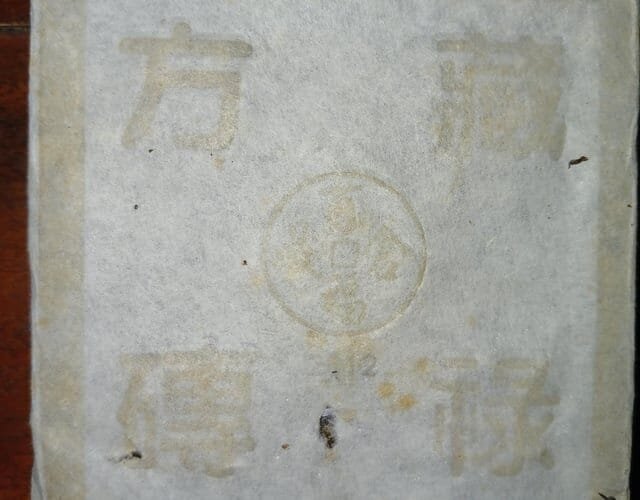
The verdict is in: This Lincang brick is a revelation. Produced by Hong Kong’s boutique BFZC, it’s a rare glimpse into the enigmatic world of Bingdao teas—where bold aromas and complex flavors defy easy categorization. The tea’s tart lemony astringency cuts through like a sharpened blade, yet it’s balanced by a rich, almost floral perfume that lingers like a whispered secret. This isn’t just another Lincang cake; it’s a sensory puzzle that rewards patience. What sets this apart is the “Bingdao secret”—a signature aroma I’ve never encountered elsewhere. It’s neither the earthy musk of Yiwu nor the smoky depth of…
Read More
The Raw Puer Showdown: Nannuo’s Spring 2025 Farmerleaf Takes the Crown

The Raw Puer Showdown: Nannuo’s Spring 2025 Farmerleaf Takes the Crown

Consider this your morning briefing: the raw puer tea world just got a contender worth noting. In a tight race between Nannuo’s top-tier offerings, the Spring 2025 Farmerleaf edition emerged as the clear winner, delivering a flavor profile that’s both refined and unforgettable. While the competition was fierce, the standout tea’s ability to balance tingle, sweetness, and astringency made it impossible to ignore. The Nannuo Farmerleaf Spring 2025 sheng stood apart from the pack. Its initial bite delivered a sharp, citrus-forward punch that lingered with a cooling sensation, while the finish offered a sweet lemon-candy note that lingered longer than…
Read More
Why Certain Years Dominate Puer Tea Markets

Why Certain Years Dominate Puer Tea Markets

Here’s what you need to know about the curious pattern in puer tea vintages. If you’re diving into aged puer, you’ve likely noticed a strange trend: decades-old teas from 2007, 2010-11, and 2016-17 seem to dominate listings. Is this a coincidence, or does it reveal something about how these teas are produced, aged, and sold? The answer lies in a mix of natural conditions, market forces, and human decisions. The years in question often align with periods of stable climate and favorable harvests. For example, 2007 saw unusually warm temperatures in Yunnan, which accelerated tea growth and created a surplus.…
Read More
The 30th Anniversary Xiaguan Puerh: A Deep Dive into Its Flavor Profile

The 30th Anniversary Xiaguan Puerh: A Deep Dive into Its Flavor Profile

Listen up: This Xiaguan 30th Anniversary raw puer isn’t just another aged tea—it’s a puzzle wrapped in a cup. The first steep delivers a whisper of rice and straw, laced with a faint rubbery undertone that lingers like a half-remembered dream. By the second steep, the rubber note evolves into something sharper, a leather bite that clings to the tongue while the huigan—those lingering aftertastes—builds with lemon zest and floral whispers. It’s a delicate balance, but the tea’s insistence on its own narrative is undeniable. The third steep reveals a deeper layer: camphor emerges, cooling the palate while the citrus…
Read More
Second Chances in the Raw Puer Tournament: A Reevaluation

Second Chances in the Raw Puer Tournament: A Reevaluation

The verdict is in: some teas need time to reveal their true selves. After months of silence, I revisited four raw puer entries from Spring 2025—each one a candidate for redemption or rejection. The results? A mix of familiar favorites and quietly compelling surprises. The Spring 2025 Huey Wa Farmerleaf opened with a light, grassy profile, carrying hay and cereal notes that felt crisp and clean. But as the steeping deepened, the initial sheng funk lingered flat, leaving a faint, almost forgotten sweetness. It’s a tea that demands patience, but its rewards feel tentative. Meanwhile, Kallisti One River Tea surprised…
Read More
Liu Bao from the 80s: A Taste of Time

Liu Bao from the 80s: A Taste of Time

The verdict is in: A 1980s Liu Bao tea didn’t just wake me up—it rewired my palate. After a brutal hangover, I abandoned Sheng’s sharp, tea-sick inducing tang for this aged pu-erh, and it delivered something rare: balance. The first brews were a disaster, steeped like a green tea, but patience unlocked its depth. At 30 seconds, it bloomed into earthy, medicinal notes that mirrored dark chocolate’s complexity. This isn’t just tea—it’s a time capsule. Liu Bao’s magic lies in its transformation. Unlike Sheng, which evolves over years, this 1980s batch was already aged, offering immediate richness. The key? Steeping…
Read More
The Art of Storing Raw Liu Bao: Keep It Fresh, Not Frustrated

The Art of Storing Raw Liu Bao: Keep It Fresh, Not Frustrated

Let’s talk about the delicate dance of preserving raw liu bao—because this isn’t just about keeping tea safe, it’s about protecting its soul. You’ve got 250g of white2tea’s autumn 2025 raw liu bao, a rare batch that demands care. Unlike pu’er, which thrives on humidity, liu bao is a different beast. It’s not about aging in the traditional sense; it’s about maintaining its vibrant character. So, should you stick with the basket or move it? The answer lies in balance. The basket is cute, yes—but it’s not airtight. That’s where the risk lives. Airtight containers with controlled humidity (around 60%)…
Read More