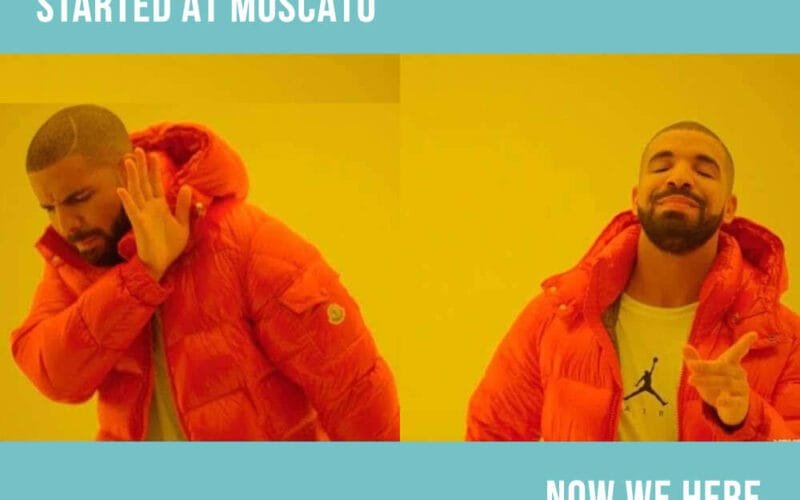
If you’ve ever wondered why Moscato feels like a rite of passage for some—but a stumbling block for others—here’s the truth: the sweet white wine that’s supposed to ease beginners into the world of wine has become a loaded stereotype for Black professionals. For Tahiirah Habibi, the barrier wasn’t just about taste; it was about the unwelcoming culture that treats Moscato as a default for people of color, not a starting point. This dynamic isn’t just unfair—it’s a weapon. When a Black person orders Moscato, it’s often read as confirmation of a stereotype, not an entry ticket. The industry’s blind spots turn sweet wines into a microaggression, reinforcing the idea that people of color can’t navigate the complexities of wine without being guided by others.
The problem isn’t just about taste. It’s about how the wine world has historically excluded Black voices, relegating them to roles that assume they’re only comfortable with sweet, easy-to-digest options. Larissa Dubose, founder of The Lotus & The Vines, calls this “Moscatotyping”—a microaggression that’s both subtle and systemic. Even the most accomplished Black professionals face it. Ntsiki Biyela, South Africa’s first female winemaker, recalls being surprised by her expertise, while Aniysa Brunner, a sommelier in Atlanta, says her patrons assume she’s “just there to help them pick a wine,” not to lead conversations. These moments aren’t isolated; they’re part of a pattern that discounts Black knowledge and perpetuates the myth that wine is a white-only domain.
Yet, Black professionals are rewriting the narrative. Femi Oyediran, a Wine Enthusiast 40 under 40 honoree, took a leap of faith by launching his own wine shop, admitting the risk felt “like stepping on air.” Donae Burston, founder of La Fête du Rosé, built a brand without formal winemaking training, proving that expertise isn’t confined to traditional paths. These stories aren’t just about resilience—they’re about redefining what it means to belong in the wine world.
The shift starts with dismantling stereotypes. Moscato deserves respect, but it shouldn’t define the experience of anyone. To move forward, the industry must prioritize inclusion: train staff to engage with people of color as they would anyone else, and elevate Black voices in leadership and education. And next time you see a Black person sipping Moscato, remember—this is where their journey began, not where it ends.
Did it feel like a gateway or a gatekeeper.
What’s your first memory of tasting Moscato? Did it feel like a gateway or a gatekeeper?
Questions & Answers
What is Moscato wine?
Moscato is a sweet, aromatic Italian wine made from the Moscato Giallo grape. It’s known for its floral notes and low alcohol content, often enjoyed as a dessert wine.
How is Moscato made?
Moscato is made from partially dried white grapes, resulting in a sweet, sparkling wine. It’s typically fermented with minimal intervention to preserve its natural sweetness and aroma.
Information sourced from industry reports and news outlets.