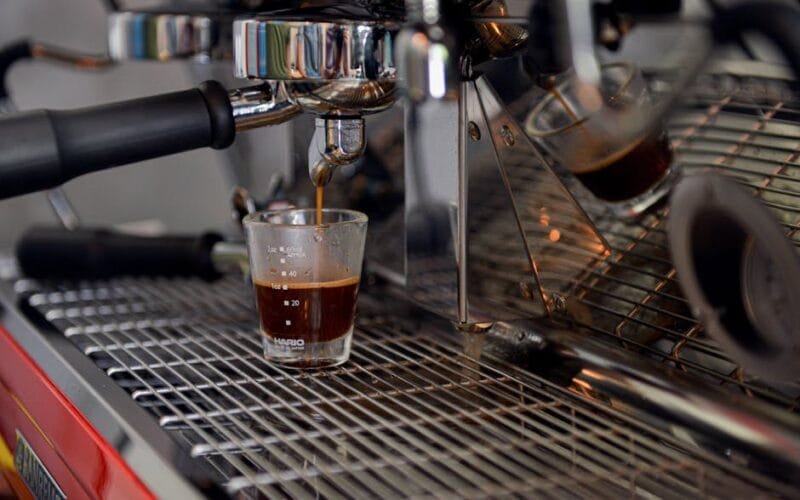
Listen up: The idea that Italian espresso is a burnt, bitter relic of the past is a myth. My trip to Italy—armed with a refractometer and a skeptic’s eye—revealed a coffee culture that’s anything but outdated. The real story is more nuanced.
Northern Italy’s espresso is a revelation. Shots measured between 9.39% and 10.40% TDS, with a balance of cocoa, nuts, and chocolate that’s smooth, not harsh. The secret? Dark roasts blended with Robusta for low acidity and high solubility. This isn’t about complexity—it’s about comfort. Baristas here treat espresso as a ritual, not a performance. They’ve mastered the 1:2 ratio, extracting consistently strong shots without overdoing it. The result? Coffee that’s easy to drink, even for someone who avoids bitterness.
But Naples? That’s where the story diverges. Shots there averaged 12.24% TDS, with a darker roast and a sugary counterbalance. The city’s lever-driven machines and regional pride create a distinct flavor profile. Yet, even here, the coffee isn’t the extreme bitterness you’d expect. Sugar tames the roast, and the baristas’ expertise ensures it’s never overwhelming. It’s a cultural divide, not a quality gap.
The key takeaway? Italy’s espresso is about system, not spectacle. Prices are low, service is fast, and the coffee is engineered for drinkability. Specialty coffee’s obsession with light roasts and acidity clashes with this approach. But Italy’s model isn’t a failure—it’s a blueprint for accessibility.
So, what’s your take on Italian espresso’s role in the global coffee landscape.
So, what’s your take on Italian espresso’s role in the global coffee landscape?
KEY POINTS: Italian espresso prioritizes drinkability over complexity, using darker roasts and Robusta for low acidity. The North-South divide in roast strength reflects regional traditions and equipment. Coffee here is affordable, fast, and designed to be enjoyed without overthinking.
CLOSE: So, what’s your take on Italian espresso’s role in the global coffee landscape?
Questions & Answers
What’s the difference between Italian espresso and regular coffee?
Italian espresso uses finely ground beans, high pressure, and precise timing. It’s stronger, smaller, and brewed quickly. Regular coffee is brewed with less pressure and takes longer.
How much caffeine is in an Italian espresso?
A standard 1oz espresso has 40-70mg caffeine. It’s more concentrated than regular coffee, which typically has 15-30mg per cup.
Information sourced from industry reports and news outlets.