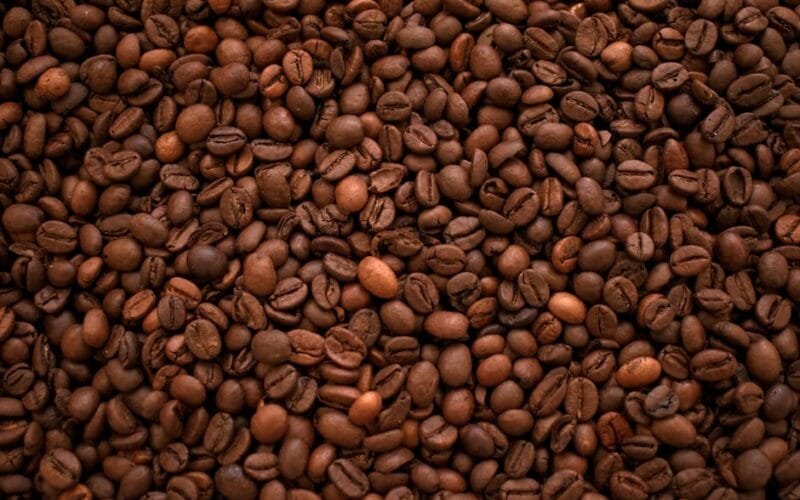
There’s something brewing in your kitchen—literally. You’ve taken the plunge into home roasting, chasing that perfect cup of coffee, but now you’re staring at a batch of beans that look like they’ve been through a storm. The line is lighter than expected, the outside darkens faster than a summer storm, and you’re left wondering: is this a sign of underdevelopment, or just the natural rhythm of the roast?
Let’s cut through the confusion. When you roast coffee, the “line” refers to the point where the bean’s outer shell cracks open, signaling the start of the first crack. This is the moment the bean begins to expand and release its oils. In a medium roast, this line should be subtle, almost ghostly, as the bean transitions from the dry to the wet phase. But here’s the catch: the line’s darkness isn’t the only metric. The exterior of the bean can darken faster due to uneven heat distribution, especially in a makeshift air fryer. Your 9-minute roast at 200°C, while aggressive, might have caused the outer layers to caramelize before the core fully developed.
Agitation matters. You mixed the beans every 2 minutes, which is good, but the air fryer’s convection might not have provided the consistent heat needed for even development. The result? A bean that’s darker on the outside but still light on the line. This isn’t a failure—it’s a clue. The line’s lightness suggests the roast hasn’t yet reached the critical point where the bean’s sugars fully caramelize. If the beans smell earthy and acidic, they’re underdeveloped. If they’re nutty and balanced, you’re in the sweet spot.
The real test isn’t the line’s darkness but the roast’s progression. A medium roast should feel like a dance between the bean’s natural acidity and the roaster’s touch. If you’re aiming for a medium, focus on timing and heat control. Let the beans rest after roasting to allow the flavors to settle. And remember: the line is just one note in the symphony of roast development.
The line’s darkness isn’t the only indicator—smell and taste matter more.
Key points: Agitation alone can’t fix uneven heat distribution; temperature control is critical. The line’s darkness isn’t the only indicator—smell and taste matter more. A medium roast’s balance lies in the interplay between the bean’s core and its exterior.
What’s your go-to method for achieving a consistent medium roast? Share your secrets in the comments.
Questions & Answers
Is a light bean crack typical for a medium roast?
A light bean crack can indicate a medium roast, but it depends on roast level and bean type. Lighter cracks often mean less development, which is common in medium roasts.
What does a light bean crack suggest about roast level?
A light bean crack suggests a lighter roast, as it indicates less heat exposure. Medium roasts usually have a medium crack, while darker roasts have a heavier crack.
Information sourced from industry reports and news outlets.