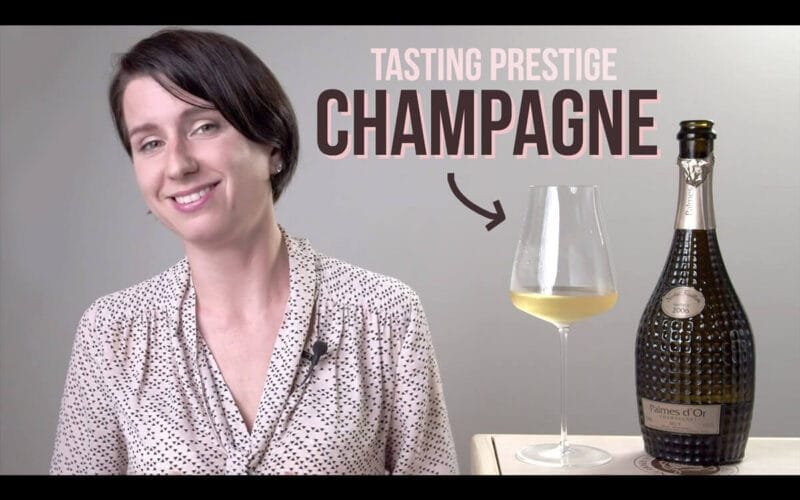
If you’ve ever wondered how a wine professional deciphers Champagne’s complexity, start with the bottle of Palmes d’Or—a prestige cuvée from Nicolas Feuillatte, the region’s largest cooperative. This Champagne isn’t just about bubbles; it’s a story written over years of aging. The secret? Tirage, the process of aging on the lees, which transforms the wine into a tapestry of toasted brioche, nutty richness, and caramelized depth. These flavors don’t emerge overnight—they demand patience, often eight or more years, to fully unfold.
Tasting Champagne isn’t about sipping and moving on. It’s about slowing down. Begin by observing the effervescence—how the bubbles rise, their size, their persistence. Then, swirl the glass to release aromas that range from fresh pastry to dried fruit, depending on the age. The first sip should reveal a balance of acidity and sweetness, with layers that unfold as the wine breathes. Aged vintages, like Palmes d’Or, offer a rare glimpse into the wine’s evolution, with flavors that feel both familiar and startlingly new.
What separates a good Champagne from a great one? Time. While non-vintage bottles are blends designed for consistency, aged vintages are single-year expressions that showcase the terroir and winemaker’s hand. The longer the aging, the more the lees contribute minerals and complexity, turning simple bubbles into something almost poetic. This is why collectors chase vintages—each bottle is a snapshot of a specific year, a fleeting moment in time bottled for eternity.
The key takeaway? Aged Champagne isn’t just a luxury; it’s a masterclass in patience. Whether you’re sipping a 2012 or 2015 vintage, the reward lies in the journey, not the destination.
Have you ever tasted a Champagne that surprised you with its depth.
Have you ever tasted a Champagne that surprised you with its depth? What did it remind you of?
Questions & Answers
How long should champagne age before drinking?
Non-vintage champagne ages 12–18 months. Vintage champagne ages 3–5 years. Longer aging enhances complexity and depth.
What temperature is best for tasting champagne?
Serve champagne between 45°F–50°F (7°C–10°C). Too cold dulls aromas; too warm reduces effervescence. Ideal temperature balances flavor and fizz.
Information sourced from industry reports and news outlets.