Time to spill: Your dad’s request for coffee that smells like new rubber tires isn’t just a quirky ask—it’s a challenge that hinges on balance, timing, and a dash of intuition. Sulawesi washed arabica and Flores dry robusta are your starting point, but the rubbery aroma you’re chasing isn’t a flavor to be forced—it’s a nuance to be coaxed. The key lies in understanding how each bean contributes to the profile and how their roast levels interact.
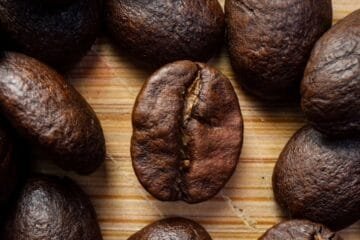
Sulawesi washed arabica brings floral and citrus notes, while Flores dry robusta adds earthiness and a smoky backbone. To hit that rubbery scent, you’ll need to blend these beans in a ratio that leans slightly toward the robusta—maybe 60-40, but adjust based on trial. The rubbery character often emerges from the Maillard reaction in darker roasts, but over-roasting can mute acidity and flatten the profile. Aim for a roast that’s just shy of second crack, allowing the beans to develop their signature aroma without losing their complexity.
Roast profiles matter more than proportions here. Start with a slow ramp-up to ensure even heat distribution, then increase the rate as the beans approach their desired color. The rubbery scent is most pronounced in the early stages of the first crack, so monitor the beans closely. If the aroma isn’t emerging, consider a slightly longer hold at the end of the roast to let the flavors settle.
What you might be missing is the role of origin in roast development. Sulawesi beans often have a natural sweetness that can clash with the boldness of Flores robusta if not balanced properly. A small adjustment in the roast curve—like a slight pause during the middle phase—can help harmonize these elements.
Key points: Blend Sulawesi and Flores beans at 60-40 ratio for balance, roast just shy of second crack to preserve acidity, and adjust the roast curve to harmonize sweetness and earthiness.
Key points: Blend Sulawesi and Flores beans at 60-40 ratio for balance, roast just shy of second crack to preserve acidity, and adjust the roast curve to harmonize sweetness and earthiness.
What’s your go-to roast for that elusive rubber tire aroma?
Questions & Answers
What roast level is best for espresso?
Dark roast is ideal for espresso, offering rich flavor and crema. It balances bitterness and acidity, enhancing extraction in small doses.
How do I adjust roast time for different beans?
Adjust roast time based on bean density and moisture. Lighter roasts require less time, while darker roasts need longer. Monitor color and aroma for best results.
Information sourced from industry reports and news outlets.