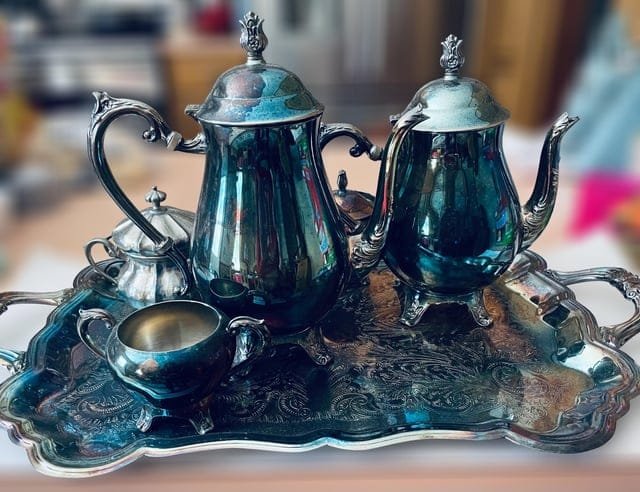
Pour yourself a cup for this one: Your vintage silver tea set isn’t just a relic—it’s a conversation starter, a family heirloom, and a canvas for your care. But if it’s gathering dust in storage, you’re missing out on its potential. Restoring silver isn’t about making it “perfect” but breathing new life into its patina. The key? Treat it like the delicate artifact it is, and avoid the shortcuts that ruin more than they revive.
Start by assessing what you’ve got. The user’s set has minor exterior spots but no internal corrosion, which is a rare find. That means you’re not dealing with a corroded mess, but a project that requires precision. Silver tarnish is a natural process, but it’s not the same as rust or oxidation. Use a soft cloth and a mild silver polish like a microfiber duster and a few drops of ammonia solution. Work in small sections, gently rubbing until the tarnish lifts. Avoid abrasive pads or harsh chemicals—they’ll scratch the surface and strip away the metal’s luster.
If the spots are stubborn, consider a silver dip solution, but only if you’re confident in your technique. These commercial cleaners can dissolve tarnish quickly, but they’re not foolproof. Test them on an inconspicuous area first, and don’t let the solution sit too long—silver can pit if left in contact for too long. For deeper scratches or dents, a professional jeweler’s touch is worth the investment. Silver restoration is a blend of chemistry and craftsmanship, and rushing it risks irreversible damage.
The real magic happens in preservation. Once restored, keep your tea set in a cool, dry place, ideally in an airtight container or anti-tarnish bag. Avoid storing it with other metals, as they can accelerate oxidation. If you’re using it regularly, hand-wash it with mild soap and a soft sponge, then dry thoroughly. Never put it in a dishwasher or expose it to harsh soaps—silver is sensitive, and modern cleaners can dull its shine.
Key points: Use gentle silver polish and test it first, avoid abrasive methods to prevent scratches, and seek professional help for complex restorations.
Key points: Use gentle silver polish and test it first, avoid abrasive methods to prevent scratches, and seek professional help for complex restorations.
Close: Have you ever revived a vintage item that brought you joy? Share your story in the comments—let’s keep these treasures alive together.
Questions & Answers
How do I clean a vintage tea set safely?
Use mild soap and warm water. Avoid harsh chemicals. Gently scrub stains. Rinse thoroughly. Dry with a soft cloth to prevent water spots.
Can I use bleach on my vintage tea set?
No, bleach can damage materials and fade colors. Use only mild, non-abrasive cleaners. Test a small area first to ensure no harm is done.
Information sourced from industry reports and news outlets.