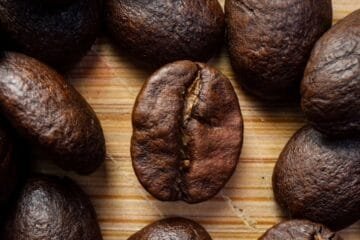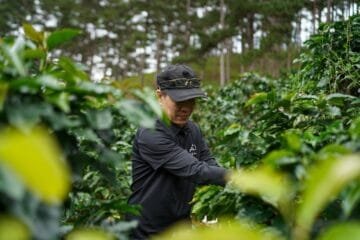
El Salvador’s coffee scene is undergoing a quiet revolution. While Bourbon and Pacamara have long been the pillars of its identity, a new wave of African-origin varieties is reshaping the landscape. From Gesha’s floral sharpness to SL28’s blackcurrant acidity, these beans are not just diversifying flavor profiles—they’re redefining the country’s place in the global specialty market. But behind the buzz lies a delicate balance of tradition, innovation, and the challenges of scaling these rare beans.
For decades, El Salvador’s reputation has been built on its volcanic soils and the sweet, balanced profiles of Bourbon and Pacamara. Yet, as demand for unique flavors grows, producers are turning to African heirlooms. SL28, a Kenyan drought-resistant variety, and Gesha, an Ethiopian gem known for its tea-like clarity, are now being cultivated in small batches. These beans bring acidity and brightness that contrast with Salvadoran coffee’s traditional sweetness, creating a new narrative for the country’s offerings. Maria Pacas, a fifth-generation producer, explains that while Bourbon and Pacamara will always be central, “the introduction of African varieties allows us to target the ultra-specialty market and stand out.”
The shift isn’t just about taste—it’s about strategy. African varieties like Sudan Rume and Pink Bourbon, which thrive in specific microclimates, are proving resilient in El Salvador’s conditions. Yet, scaling remains a hurdle. “These beans require precise care,” says Diego Baraona, another producer. “Some ripen too early, risking damage from late rains. Others need more shade or protection.” Despite these challenges, the payoff is clear: higher premiums for specialty roasters and a chance to differentiate in a crowded market.
The future of El Salvador’s coffee depends on balancing heritage with experimentation. Events like the Producer & Roaster Forum in 2026 will amplify this momentum, showcasing how African roots can fuel innovation. As Maria puts it, “Gesha is the dessert, Pacamara the main course—both are essential.” But the real question is: How will El Salvador’s coffee industry evolve as it navigates the tension between tradition and transformation?
Production challenges, such as ripening timing and climate adaptation, limit scaling but enhance quality.
KEY POINTS: African varieties like Gesha and SL28 are diversifying El Salvador’s coffee offerings, blending sweetness with acidity. Production challenges, such as ripening timing and climate adaptation, limit scaling but enhance quality. Events like PRF El Salvador are critical for elevating the country’s reputation in specialty coffee.
CLOSE: What’s your favorite specialty coffee, and how do you think El Salvador’s industry will evolve? Share your thoughts below.
Questions & Answers
Are exotic plants becoming popular in El Salvador?
Yes, exotic and African plant varieties are gaining popularity in El Salvador due to increased global trade and local interest in diverse crops.
What impact do these plants have on El Salvador’s agriculture?
These plants introduce new growth opportunities but also pose risks like competition with native species and potential ecological disruption.
Information sourced from industry reports and news outlets.