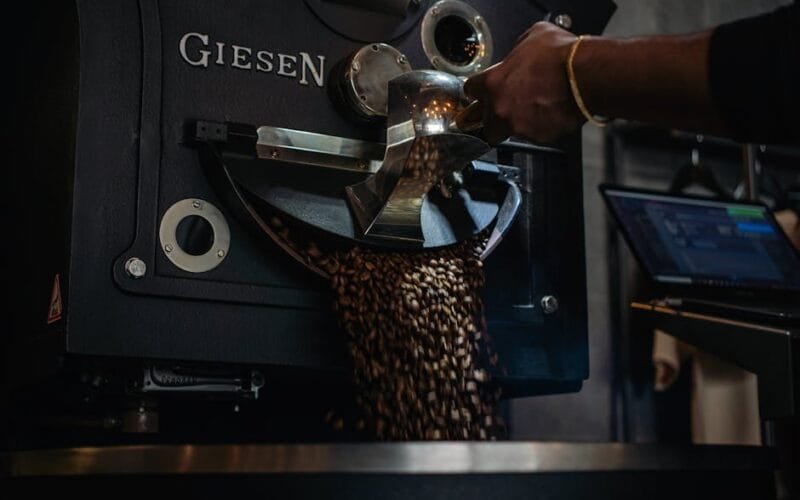
There’s something brewing in the quiet corners of the coffee world—a growing demand for roasting education that dares to prioritize craft over scale. While mainstream programs focus on efficiency and consistency, a niche movement is emerging around small-batch roasting, lighter profiles, and the intricate dance between terroir and processing. For enthusiasts who crave depth over volume, this isn’t just a trend—it’s a rebellion against homogenization.
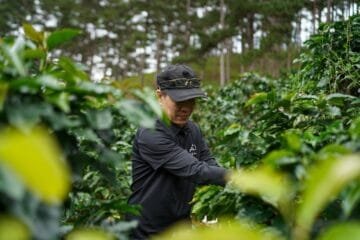
The craft approach hinges on understanding how a bean’s origin shapes its potential. Terroir—the combination of soil, climate, and altitude—dictates flavor notes, acidity, and body, while processing methods like natural or honey drying introduce layers of complexity. Roasting these beans requires precision: a lighter roast preserves delicate floral or citrus tones, while a heavier hand risks masking the fruit’s inherent character. Yet few programs teach this nuance, leaving many roasters to guesswork.
This gap isn’t just technical—it’s philosophical. Specialty coffee is about storytelling, not just bean grades. A roaster who respects terroir builds trust with consumers seeking authenticity. But without training that mirrors this ethos, the craft risks becoming another casualty of industrialization. Programs like Mill City or Boot Coffee offer valuable skills, but they often prioritize commercial viability over the intimate, hands-on mastery needed for true specialty work.
The market may not yet reward this niche, but the demand is there. Enthusiasts are willing to pay for education that aligns with their values—whether it’s learning to highlight a Kenyan AA’s tartness or mastering the art of a slow, precise roast. The question isn’t whether there’s a market; it’s whether the industry is ready to nurture it.
Specialty coffee requires education that values complexity over uniformity.
Key points: Craft roasting demands a focus on small batches, lighter profiles, and terroir-aware strategies. Specialty coffee requires education that values complexity over uniformity. The gap between mainstream training and niche expertise is both a challenge and an opportunity.
What if the future of specialty coffee depends on roasters who treat each bean like a unique terroir-driven artifact? Have you ever sought training that prioritizes craft over commercial efficiency?
Questions & Answers
What are the key stages in coffee roasting?
Coffee roasting stages include drying,闷蒸 (degassing), light roast, medium roast, and dark roast. Each stage affects flavor, aroma, and acidity.
How does roast level impact coffee flavor?
Light roasts highlight acidity and origin notes. Medium roasts balance acidity and body. Dark roasts emphasize bitterness and sweetness, with reduced acidity.
Information sourced from industry reports and news outlets.