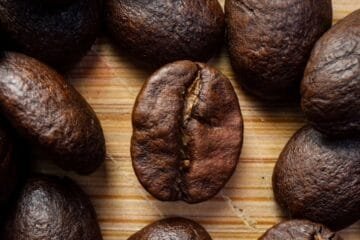
Pour yourself a cup for this one: The black honey process is a delicate balance of sweetness and complexity, but it’s not immune to roasting pitfalls. A recent batch of Costa Rica Pastora Black Honey has left roasters scratching their heads—specifically, the issue of over carbonization. The problem isn’t just about dark spots or burnt notes; it’s about timing, heat control, and the hidden challenges of this process.
The first batch revealed a troubling sign: second crack aromas emerging prematurely, before the first crack even fully engaged. Darkened beans hinted at uneven roasting, but the real kicker? The beans were still in the early stages of development. The roaster adjusted by keeping heat at 1 for the second batch, delaying the first crack to nine minutes. This shift reduced the carbonization, but didn’t eliminate it. Some beans retained dark spots, while others developed a peculiar “peppered” texture, as if they’d been exposed to inconsistent heat. The beans that looked fine were a relief, but the inconsistency raised a bigger question: why does black honey process behave differently than naturals?
Black honey beans are coated in a sugary mucilage, which caramelizes during drying. This layer acts as a shield—protecting the bean but also creating a barrier for heat penetration. When roasting, the sugar can burn before the bean’s core is properly developed, leading to uneven results. The SR800’s heat distribution, while precise, may struggle to balance the outer layer’s caramelization with the inner bean’s roast. The key isn’t just about avoiding over-roast—it’s about managing the sugar’s behavior without sacrificing the bean’s potential.
Key points: First, control heat precisely to delay first crack and prevent premature carbonization. Second, monitor bean consistency closely; dark spots suggest uneven heat exposure. Third, recognize that black honey’s sugary layer requires a gentler touch than naturals.
Drop a comment and let’s troubleshoot together.
What’s your go-to strategy for balancing sugar and roast in black honey? Drop a comment and let’s troubleshoot together.
Questions & Answers
How long should I roast Costa Rica Pastora Black Honey?
Roast for 18-22 minutes at 375°F. Monitor color and aroma. Stop when dark brown with a crisp texture.
What temperature is best for roasting Pastora Black Honey?
Use 375°F for even roasting. Adjust based on bean size and desired roast level. Watch for color changes.
Information sourced from industry reports and news outlets.